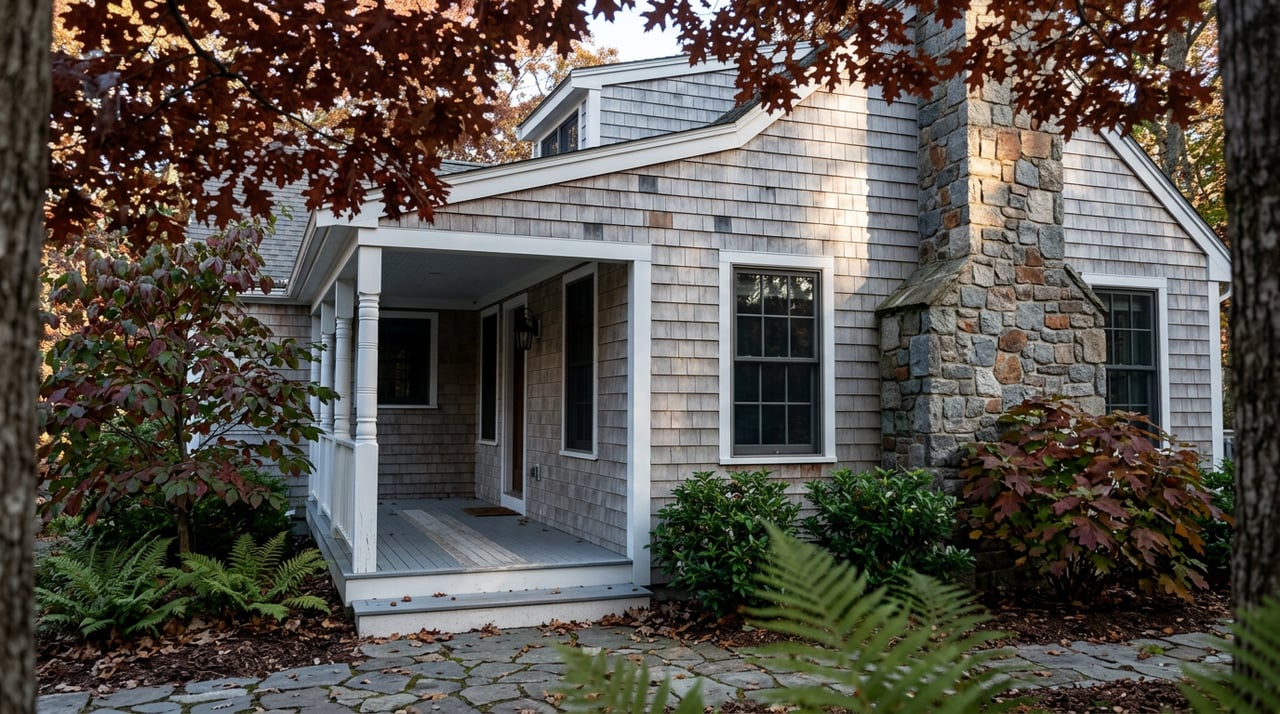
Two cottages can sit forty feet apart in Mount Gretna and answer to two different governments. One owner needs a permit from a board of neighbors before taking down a tree in the yard. The other doesn't, because a different organization holds authority over that block, and it has never adopted a tree rule at all.
This isn't a quirk you'll find flagged on a listing sheet. It's baked into how Mount Gretna actually works, and it matters more than the price per square foot if you're about to sign a purchase agreement.
Four Governments, One Zip Code
Most buyers approach Mount Gretna the way they'd approach any small Pennsylvania community: assume there's a borough, maybe a homeowners association, and move on. Mount Gretna doesn't work that way. Depending on which street your cottage sits on, you're dealing with one of at least four separate governing bodies, each with its own rules, its own dues structure, and its own idea of what a cottage owner is required to do.
The oldest and most involved is the Mt. Gretna Campmeeting Association, Inc., chartered on March 17, 1892, as the Mt. Gretna Campmeeting Association of the United Brethren in Christ. If your cottage sits on the historic Campmeeting Grounds, buying it makes you an automatic member of this association. You don't opt in. Ownership itself triggers membership, and with it comes the association's bylaws, its rules and regulations, and its elected Board of Managers, which residents vote on to oversee everything from water and sewer service to tree removal and quiet hours.
A short walk away, Mt. Gretna Heights operates as its own unincorporated community inside West Cornwall Township, governed by its own association with its own elected leadership, separate from the Campmeeting entirely.
Overlapping both of those is the Pennsylvania Chautauqua, a distinct nonprofit that has run the Chautauqua grounds, the Tabernacle, and the Hall of Philosophy since the same era. It operates its own rental and programming structure independent of the Campmeeting and the Heights.
And then there's Mount Gretna Borough itself, incorporated in 1926 to serve as the civic backbone for streets, police coverage, lighting, and waste collection in its jurisdiction. The borough created the Mount Gretna Authority in 1974 specifically to handle water and sewer for the areas it covers, which is a separate utility relationship from what a Campmeeting member has with their association.
Here's the comparison a buyer actually needs:
| Governing Body | Established | What It Covers | What It Asks Of A Buyer |
|---|---|---|---|
| Mt. Gretna Campmeeting Association | 1892 | Historic Campmeeting Grounds cottages | Automatic membership, cottage sale documents, rental permit application, tree and building permits |
| Mt. Gretna Heights Association | Unincorporated community, West Cornwall Township | The Heights section | Its own elected leadership and its own rules, separate from the Campmeeting |
| Pennsylvania Chautauqua | Founded in the same 1890s era | The Chautauqua grounds, Tabernacle, Hall of Philosophy | Its own rental and programming rules |
| Mount Gretna Borough / Mount Gretna Authority | Borough 1926, Authority 1974 | Public streets, police, lighting, waste, water and sewer in borough areas | Confirm which utility authority actually bills you |
None of this shows up in a standard property search. It shows up in the closing documents, and by then you want to already understand it.
What The Campmeeting Actually Asks For When A Cottage Sells
If you're buying inside the Campmeeting Grounds, the association doesn't just collect dues quietly in the background. Its own published materials list specific "Cottage Sale Documents" as part of the transfer process, alongside a separate "Rental Permit Application" for anyone who plans to rent the cottage out, seasonally or otherwise. These aren't boilerplate closing forms your title company already has on file. They come from the association itself, and your agent or attorney needs to request them directly.
The association's rules and regulations, most recently revised and adopted by its Board of Managers on February 20, 2024, cover things a typical suburban HOA wouldn't touch: a specific rule governing tree removal, a rule setting quiet hours and a broader quiet season, and a formal building permit process for anyone renovating a cottage. Recent amendments have touched the trash rule, the tree rule, and the procedure for how the board itself amends future rules. If you're planning a renovation, a rental, or even just removing a dead tree in the yard, you're working through this association's process first, not just the township's.
The practical takeaway: before you write an offer on a Campmeeting cottage, ask your agent to pull the current bylaws and rules and regulations directly from the association, not a summary. Whether you can legally rent the cottage on a short-term basis, remove a tree, or add a dormer depends on what's in that document as it stands today.
The Walls Tell You Something Too
Nearly every cottage in the Campmeeting Grounds was originally built as a seasonal summer structure between 1892 and 1915, when the community's tent lots on the Bible Conference grounds were converted into permanent wood-frame cottages. Many still carry their original interior construction: five-eighths-inch chestnut or hard pine walls, a material that simply isn't available to buy anymore.
That construction detail explains something buyers notice on their first walkthrough and sometimes mistake for a defect. Sound travels easily between rooms and between cottages built close together, because the walls were never meant to insulate against noise the way a modern stick-built home does. An inspector won't flag this as a problem, because it isn't one. It's original construction doing exactly what it was built to do in 1905. But it's worth knowing before your first night in the cottage, not after.
Land-Lease Is A Different Animal Entirely
Not every home near Mount Gretna carries this association structure, and it's easy to confuse the two if you're comparing listings quickly. Communities like Alden Place, a 55-plus land-lease neighborhood near Mount Gretna, work on a fundamentally different ownership model. You own the home itself but lease the ground it sits on, which changes financing, resale, and long-term cost in ways that don't apply to a fee-simple Campmeeting or Heights cottage.
If you're weighing a low-maintenance land-lease home against a historic cottage inside one of Mount Gretna's associations, you're not just choosing a style of house. You're choosing between two entirely different legal relationships to the land underneath it, and that distinction should shape your financing conversation before it shapes your décor choices.
A Short Checklist Before You Write An Offer
- Confirm which of the four governing bodies actually has authority over the specific street and lot, not just the general Mount Gretna area
- Request the current bylaws, rules and regulations, and any recent amendments directly from that association
- If renting is part of your plan, ask specifically about that association's rental permit process before you assume it's allowed
- Verify who actually bills you for water and sewer: the borough's authority or a separate association arrangement
- Ask whether the cottage is fee-simple or sits on leased ground, especially if you're comparing it against a 55-plus community
A Few Questions Buyers Ask
Do I have a choice about joining the Campmeeting Association? No. Ownership of a cottage on the Campmeeting Grounds carries automatic membership in the Mt. Gretna Campmeeting Association, along with the obligations and services that come with it.
Does the Heights Association operate under the same rules as the Campmeeting? No. The Heights is a separate unincorporated community with its own association and its own elected leadership, independent of the Campmeeting's bylaws.
Who handles my water and sewer bill? It depends on where you are. Areas under the Mount Gretna Authority, created by the borough in 1974, are billed through that authority. Cottages inside the Campmeeting Grounds have historically had water and sewer folded into association services instead.
Mount Gretna's charm is real, and so is the paperwork underneath it. A cottage here isn't just a home. It's a relationship with one of four organizations that have been governing this ground, in some cases, for over a century. Knowing which one applies to your street before you make an offer saves you from learning it the hard way at closing.
If you're looking at a specific cottage in Mount Gretna and want to know exactly which association governs it and what that means for your offer, Denise Bollard can walk through the paperwork with you before you're under contract. Schedule a consultation to get the full picture on the property you're considering.