If you are drawn to places that feel different in July than they do in January, Mount Gretna is worth a closer look. This small Lebanon County borough has long been known for summer traditions, but it also offers a quieter year-round rhythm that appeals to both visitors and homeowners. If you are thinking about buying, selling, or simply learning what life here feels like, this guide will walk you through the seasons, the events, and the housing character that shape Mount Gretna. Let’s dive in.
Mount Gretna Has Deep Seasonal Roots
Mount Gretna’s identity grew from the Pennsylvania Chautauqua and the Mount Gretna Campmeeting. The Campmeeting received its charter in 1892, and official community history describes the area as a summer retreat where tents on camp lots gradually became cottages.
That history still matters today. The Campmeeting Association continues to frame Mount Gretna around tradition, stewardship, porches, volunteer service, and shared community guidelines. The borough covers the same geographic area as the Pennsylvania Chautauqua and provides municipal services for homeowners there.
Seasonal and Year-Round Living
Mount Gretna began as a place people came to enjoy in the warmer months. Lebanon County’s comprehensive plan notes a long seasonal housing pattern, and in 2000, 81 of the borough’s 88 vacant housing units were reported for seasonal, recreational, or occasional use.
At the same time, Mount Gretna has evolved beyond its summer origins. Official history says the community now includes many year-round residents, including retirees and working professionals, alongside summer guests. That gives the borough a unique balance: lively and social in peak season, then quieter and more residential through the rest of the year.
What Summer in Mount Gretna Feels Like
Summer is the clearest high point of the Mount Gretna calendar. The official community site describes a wooded setting with a lake and stream, while the Chautauqua tradition continues through music, theater, art, and educational programming.
Those summer offerings are organized around four pillars: arts and culture, recreation, religion, and education. For you as a buyer or homeowner, that means the season is not just about warm weather. It is about a full community schedule that brings people onto porches, into performances, and out into shared public spaces.
Lake Days and Seasonal Favorites
One of the strongest markers of summer is Mt. Gretna Lake & Beach. In 2026, it reopened on May 23 and operates daily from 11:30 a.m. to 6:30 p.m. as a family-owned public swim and recreation facility with eight acres of beach, recreation lawn, and picnic grove.
The Jigger Shop is another well-known seasonal stop, open from Memorial Day to Labor Day. Together, places like these help define the classic summer routine that many people associate with Mount Gretna.
Theater, Music, and Community Events
The summer arts calendar is a major part of local life. Gretna Theatre’s 2026 season runs from June 4 into early September at the Mount Gretna Playhouse, and the theater describes itself as America’s oldest continuously active summer theatre, operating there since 1927.
Gretna Music also uses the playhouse setting for chamber, jazz, and world music performances. In addition, the Summer Concerts series takes place at the Tabernacle, rain or shine, on a pay-what-you-want basis.
By late summer, the calendar becomes especially active. The Mount Gretna Tour of Homes is scheduled for August 1, 2026, featuring a self-guided walking tour of nine homes, two porches, and three historic buildings.
A couple of weeks later, the Mount Gretna Outdoor Art Show and Summer Craft Market are scheduled for August 15 and 16, 2026. Official event materials also reference live music and a film festival as part of that same weekend, which shows how concentrated the seasonal energy can be.
Outdoor Living Beyond Summer
While summer gets most of the attention, outdoor life in and around Mount Gretna does not stop after Labor Day. The pace changes, but recreation remains a steady part of the lifestyle.
The official Mount Gretna site describes spring as a time for hiking and biking, fall as a season for foliage, and winter as a time for cross-country skiing on groomed trails. That shift is important if you are considering a home here for more than just peak-season use.
Trails and Nature Nearby
Clarence Schock Memorial Park at Governor Dick is a major outdoor asset near Mount Gretna. The park covers 1,105 forested acres and includes 15 miles of trails, a 66-foot observation tower, a boardwalk trail, mountain biking, bouldering, and horseback riding.
Its June 2026 calendar also includes recurring Monday evening yoga through August 31 and a summer solstice hike. That gives you a sense of how the area supports an active lifestyle through much of the warm-weather season.
For longer walks and bike rides, the nearby rail-trail network adds even more range. The Lebanon Valley Rail Trail connects with the 5.1-mile Conewago Recreation Trail at the county line, creating a linked corridor rather than a short standalone route.
Housing in Mount Gretna Has a Distinct Character
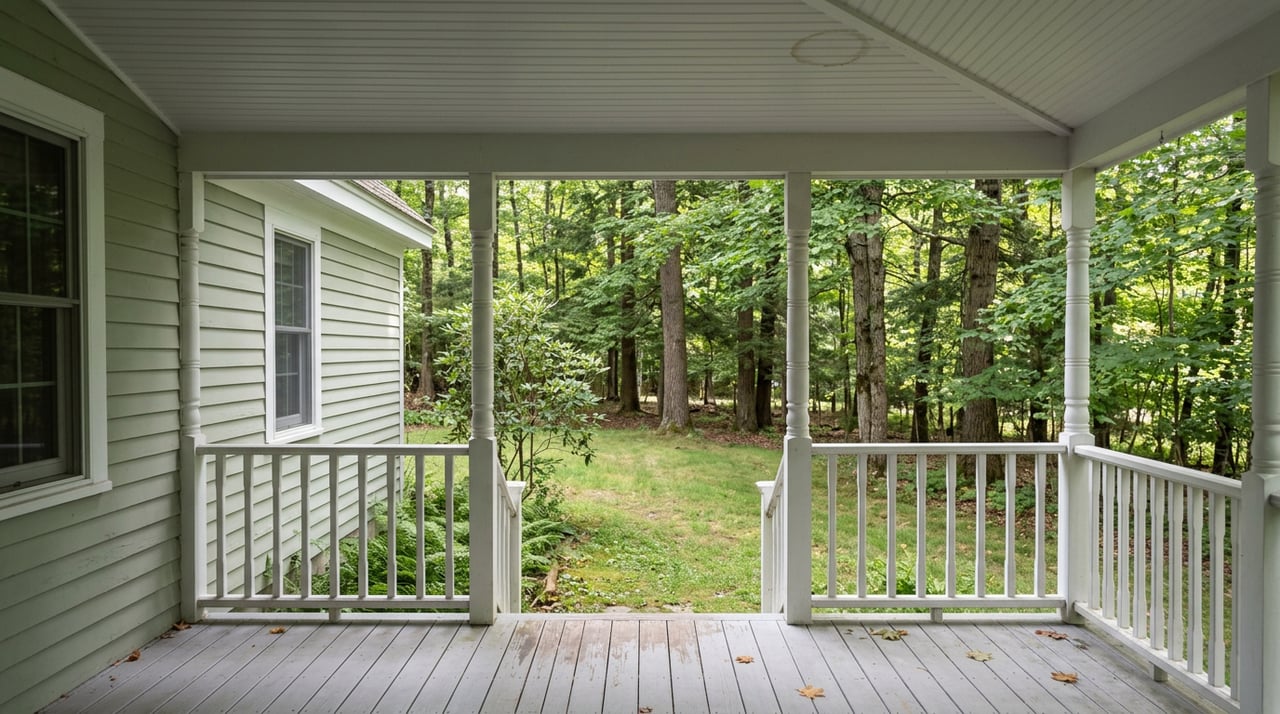
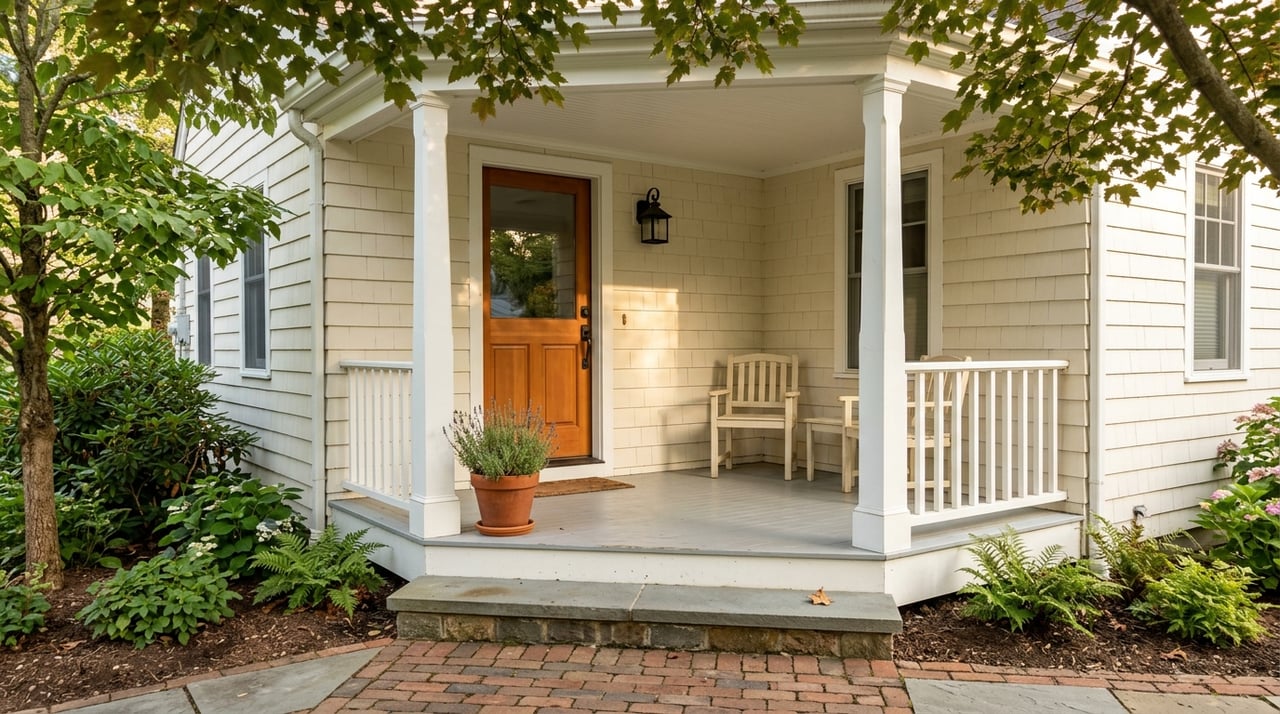
If you spend any time in Mount Gretna, the cottage character stands out quickly. Official history explains that the first summer residents stayed in tents on camp lots before those tents gradually became the cottages seen today.
The two original areas founded in the 1890s are the Camp Meeting and the Pennsylvania Chautauqua. The Camp Meeting area is listed in the National Register of Historic Places, and the Campmeeting Association continues to emphasize historic cottages, porches, and neighbor-to-neighbor connection as part of the community’s identity.
What Types of Homes You’ll Find
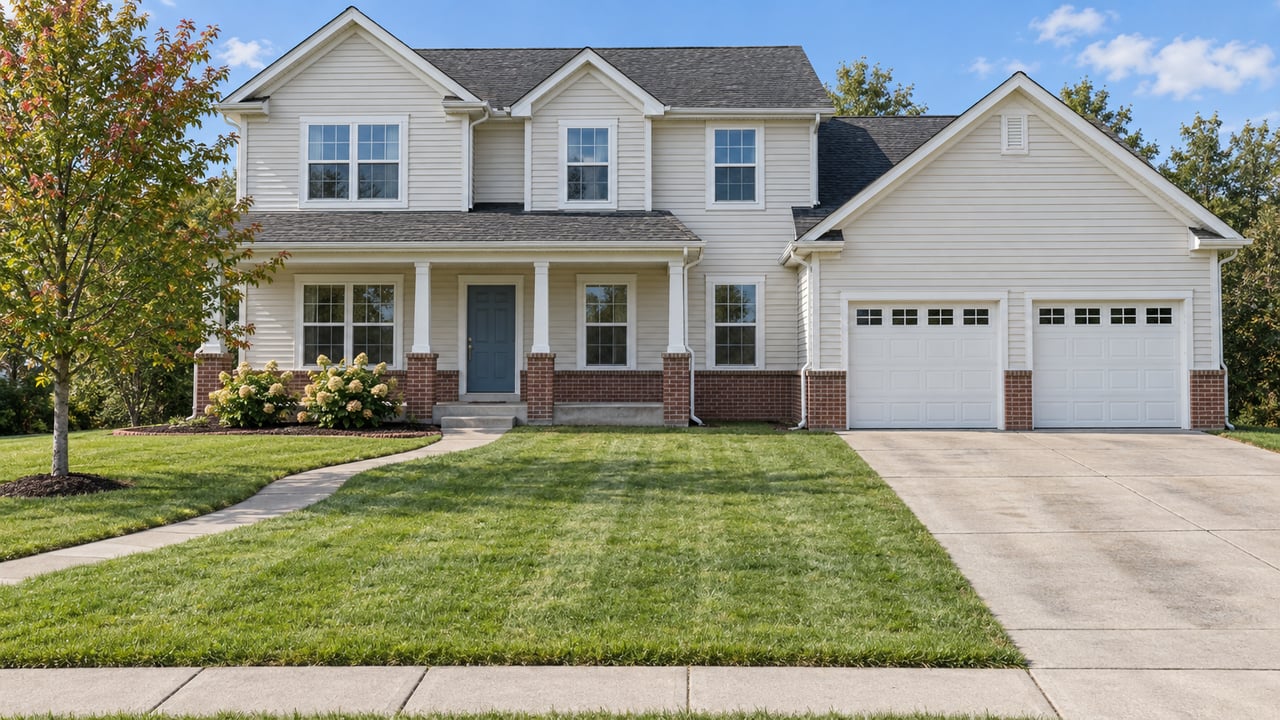
Mount Gretna’s housing mix is best understood as a blend rather than a single property type. Historic seasonal cottages remain the signature housing style, but there are also year-round homes and a limited set of rental or vacation options.
That mix matters if you are comparing Mount Gretna to nearby communities in Lebanon County. Here, the appeal is often tied as much to setting and seasonal rhythm as it is to square footage or newer construction.
For some buyers, that means finding a cottage with character and a strong connection to local tradition. For others, it may mean looking for a home that supports full-time living while still offering easy access to the borough’s summer events and outdoor spaces.
Short-Term Rentals Are Limited
If you are thinking about second-home ownership, rental rules are an important part of the picture. According to the borough’s rental page, there are 18 licensed short-term rental properties for 2026.
The borough also states that any property rented for fewer than 30 days without a license is in violation of the local ordinance. In practical terms, that means short-term rental supply is limited compared with many resort-style communities.
For buyers, this is worth understanding early. Mount Gretna is a place where ownership connects closely to community patterns, local guidelines, and the realities of a limited rental inventory.
Why Mount Gretna Appeals to Different Buyers
Mount Gretna can appeal to more than one type of buyer. Some people are looking for a seasonal retreat close to Hershey, Lancaster, and the Pennsylvania Turnpike. Others are drawn to a year-round home with a strong sense of place and easy access to outdoor recreation.
The location supports both uses. Official sources place Mount Gretna about 12 miles from Hershey, 25 miles north of Lancaster, and 4.5 miles from PA Turnpike Exit 266. Gretna Music also describes the area as a short drive from Hershey, Harrisburg, and Lancaster, with Philadelphia about 90 minutes away.
That convenience helps explain why the borough remains attractive for weekend use, second-home ownership, and full-time living. You get a setting that feels tucked away, but it is still within practical reach of several larger employment and activity centers.
What to Keep in Mind as a Buyer or Seller
If you are buying in Mount Gretna, it helps to look beyond the home itself. You are also buying into a seasonal social pattern shaped by porches, arts programming, outdoor recreation, and community traditions.
If you are selling, those same lifestyle factors can be part of the story. Buyers are often interested in how the property connects to summer events, walkable community features, and the borough’s distinct housing character.
This is where local market knowledge matters. In a place like Mount Gretna, understanding the difference between a seasonal-use buyer and a year-round buyer can help shape smart pricing, better marketing, and clearer expectations from the start.
Whether you are exploring a cottage, preparing to list a home, or comparing Mount Gretna with nearby Lebanon County communities, having the right local guidance can make the process feel much more straightforward. To talk through your next move with a trusted local expert, schedule a consultation with Denise Bollard.
FAQs
Is Mount Gretna a seasonal community or a year-round town?
- Both. Mount Gretna began as a summer community, but official history says many year-round residents now live there alongside seasonal visitors.
What defines the busy summer season in Mount Gretna?
- The busiest season is shaped by the lake, seasonal businesses, Gretna Theatre, Gretna Music, the Summer Concerts series, the Tour of Homes, and the Outdoor Art Show and Craft Market, with activity concentrated from June through mid-August.
What types of homes are common in Mount Gretna?
- Historic cottages are the signature housing type, along with some year-round homes and a limited number of rental or vacation properties.
Are short-term rentals easy to find in Mount Gretna?
- No. The borough lists 18 licensed short-term rental properties for 2026, so supply is limited.
What outdoor activities are available near Mount Gretna?
- Outdoor options include swimming at Mt. Gretna Lake & Beach, hiking and biking, rail-trail access, and recreation at Clarence Schock Memorial Park at Governor Dick, which includes trails, an observation tower, and other seasonal activities.