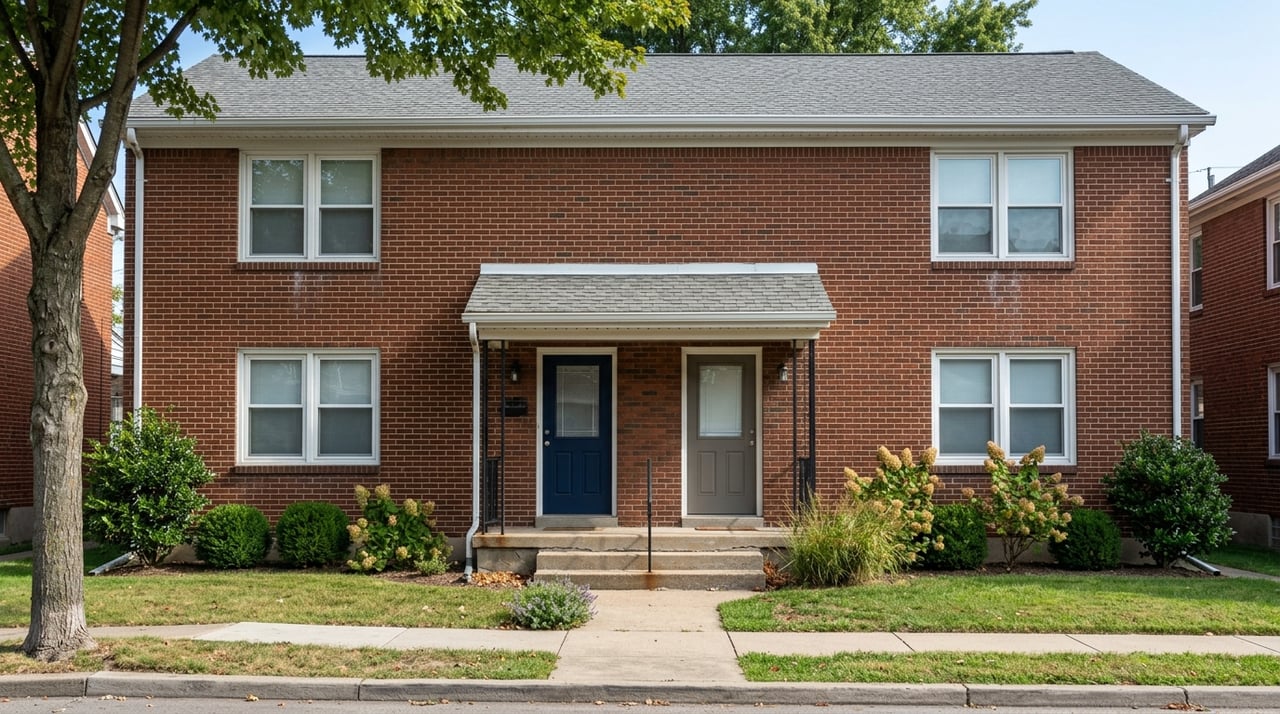
Wondering if a duplex or triplex could be your first step into real estate investing in Berks County? You are not alone. Many buyers are looking at small multi-unit properties as a way to live in one unit, rent the others, or build income over time in a market where affordability still matters. This guide will walk you through what to watch, what to verify, and how to think about your first deal with clear eyes. Let’s dive in.
Why small multi-unit investing stands out
Berks County offers a practical starting point for buyers who want income potential without jumping straight into a large apartment building. As of July 2024, the county had 172,261 housing units, a 71.3% owner-occupied rate, a median gross rent of $1,181, and a median owner-occupied home value of $257,300. County planning materials also show a 2025 median sold price of $290,000.
That matters because small multi-unit properties can create an entry point that feels more attainable than buying a larger investment property. At the same time, you still need to underwrite carefully. Berks County is a price-sensitive market, and county planning reports show that 46.5% of renter households were cost-burdened by 2023.
What the local housing mix means
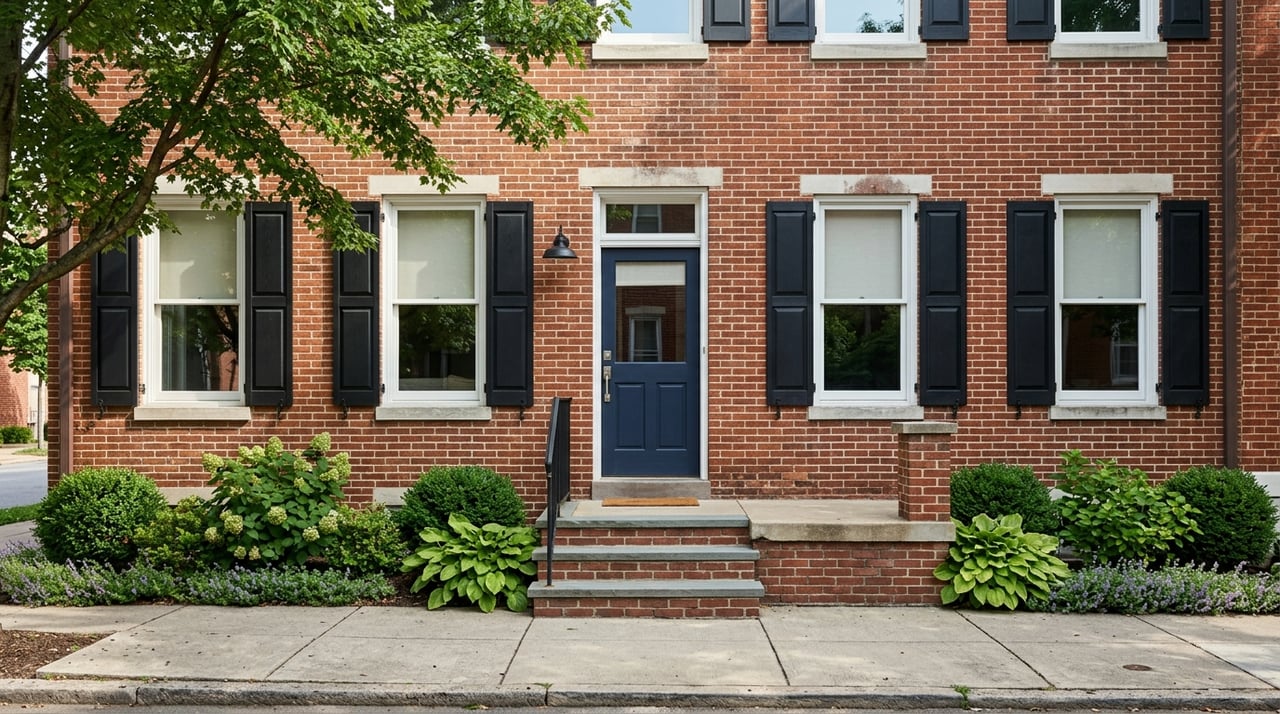
Berks County housing is still heavily weighted toward single-family homes. County reports describe nearly 80% of the housing stock as single-family, with more than half of homes built before 1970. That means true duplexes and triplexes can be less common than many first-time investors expect.
It also means where you search matters. County planning materials note that boroughs tend to have higher housing density than townships, and Reading plus some boroughs have much higher rental shares than township averages. In plain terms, you are more likely to find small multi-unit opportunities in older, denser areas than in lower-density townships.
Start with your investing plan
Before you tour properties, get clear on your goal. A small multi-unit can work very differently depending on whether you plan to live in one unit or hold the building strictly as an investment.
If you plan to occupy one unit, financing can be more flexible. Freddie Mac allows 2- to 4-unit owner-occupied primary residences, and rental income from the other units may be added to your income if documented correctly. Fannie Mae also allows rental income from a two- to four-unit principal residence when the borrower lives in one unit.
That can be helpful if you are buying your first property and want rental income to support the purchase. Still, lender approval is never automatic. The file usually requires more documentation than a standard one-unit purchase.
Understand how lenders look at the deal
For most first-time small investors, the basics are straightforward even if the paperwork is not. Lenders generally review your income, debt, assets, reserves, and supporting documents to determine your ability to repay.
The Consumer Financial Protection Bureau says lenders document and verify income, employment, assets, debts, and credit history. Fannie Mae also notes that borrowers with multiple financed properties may face added reserve requirements, and those reserve requirements increase as the number of financed properties rises.
In practical terms, expect your lender to look closely at these items:
- Your income and employment history
- Your monthly debt obligations
- Your available cash after closing
- Your credit profile
- Leases, rent schedules, or appraisal support if rental income is used
Can projected rent help you qualify?
Yes, sometimes. Fannie Mae says rental income from the subject property may be documented with the right tax schedules or a current lease when the property is newly acquired or newly placed in service.
That is why clean documentation matters so much. If you are counting on rent from the other units, a realistic lease file and supportable rent assumptions can make or break the deal. Overestimating rent may look good on paper at first, but it can create pressure later if the numbers do not hold up.
Use conservative numbers from day one
This is one of the smartest habits you can bring into your first purchase. Berks County has low vacancy and an older housing stock, so a conservative analysis is usually the safer path.
County workforce reporting shows an owner vacancy rate of 0.8% and a renter vacancy rate of 4.5%. That does not mean every unit rents instantly or every building performs smoothly. It does mean you should still leave room in your budget for vacancy, repairs, and real-world surprises.
A simple first-pass analysis should include:
- Mortgage payment
- Taxes and insurance
- Expected rent by unit
- A vacancy buffer
- A repair reserve
- Utility costs if the owner pays any share
- Ongoing maintenance for older systems
Expect older buildings and older systems
Because more than half of Berks County housing was built before 1970, many small multi-unit properties will come with age-related repair questions. That does not make them bad buys. It simply means your inspection and renovation budget need to be grounded in reality.
For many duplexes and triplexes, key items may include the roof, plumbing, electrical systems, and fire separation. These are not cosmetic concerns. They can affect safety, code compliance, insurance, timing, and your ability to rent the property quickly.
Focus on tenant-ready condition
A unit does not need to be fancy to be rentable, but it does need to be safe and functional. Pennsylvania Ready PA guidance says working smoke alarms and carbon monoxide detectors are essential. It also recommends smoke alarms inside every bedroom, outside every sleeping area, and on every level.
This is a good reminder that tenant-ready condition starts with safety basics. If you are comparing properties, pay close attention to whether the building looks ready for occupancy now or whether major work will be needed before you can move in or place tenants.
Be careful with lead paint and older-home rehab
If you are buying an older property, lead paint rules should be on your radar. The EPA says older homes are more likely to contain lead-based paint, and renovation work in homes built before 1978 may trigger lead-safe certification and work practice requirements under its Renovation, Repair and Painting rule.
The EPA also has disclosure rules for sales and rentals of target housing. For you as a buyer, this means older small multi-unit properties may carry compliance responsibilities alongside repair costs. It is another reason to avoid assuming that a quick cosmetic update will be enough.
Check zoning and use before you offer
One of the biggest mistakes first-time investors make is assuming county-wide rules apply everywhere. In Berks County, that is not how it works.
The county planning commission explains that under the Pennsylvania Municipalities Planning Code, individual municipalities create and administer their own zoning ordinances. So whether a duplex or triplex is allowed depends on the specific parcel and municipality, not just the county name.
Before you write an offer, verify:
- Current zoning for the parcel
- Whether the existing use is permitted
- Whether the number of units is lawful
- Whether any planned changes need approval
- Whether local registration, rental, or inspection rules apply
Reading shows why local code checks matter
Reading is a clear local example of how municipal rules can affect a small investor. The city’s Property and Codes Enforcement office administers rental and vacant permits and regular inspections under its adopted property maintenance code.
The city’s housing registration form also requires a responsible local agent who lives in Berks County or maintains a principal office there. The form lists a $100 housing registration fee and notes that unregistered property may be treated as illegal, with a $100 per-unit non-compliance surcharge.
Even if your property is not in Reading, the lesson is the same. Rental rules in Berks County are municipal matters, so you need parcel-specific due diligence every time.
Know the basics of Pennsylvania rental rules
If you plan to rent units, state law sets some important guardrails. Pennsylvania’s Landlord and Tenant Act of 1951 limits security deposits to two months’ rent during the first lease year and one month thereafter.
The law also requires deposits over $100 to be held in escrow and requires a written list of damages within 30 days after lease termination or surrender. These are core operating details, and getting them right helps you run the property more smoothly from the start.
Permits matter for rehab work
If your purchase plan includes renovation, do not treat permits as an afterthought. Pennsylvania’s Uniform Construction Code says owners or authorized representatives must obtain a building permit before beginning covered work.
The state also says inspections are required in many cases, and a certificate of occupancy must be issued before the building can be used. That can affect your timeline, your budget, and when the property can begin producing income.
Use consistent and fair rental practices
Fair housing compliance is essential for every housing provider. HUD says the Fair Housing Act prohibits discrimination based on race, color, national origin, religion, sex, familial status, and disability.
For a small investor, the practical takeaway is simple. Your ads, screening standards, application process, and communication should be consistent, documented, and applied the same way to every applicant.
A smart first-deal checklist
If you are just getting started, keep your process simple and disciplined. A good first purchase usually comes down to a few core checks done well.
Use this checklist before you move forward:
- Confirm whether you will owner-occupy or buy strictly as an investment
- Talk with a lender about 2- to 4-unit financing and reserve expectations
- Verify whether projected rent can be used for qualification
- Review actual or supportable rent levels carefully
- Budget for vacancy and repairs
- Inspect older systems closely
- Verify zoning and legal use at the parcel level
- Check for municipal rental registration or inspection rules
- Understand permit needs before planning rehab
- Build a fair, consistent rental process from the start
The bottom line for Berks County buyers
Small multi-unit investing in Berks County can make sense if you approach it with patience and discipline. The local opportunity is not really about finding a perfect building that runs itself. It is about finding an older income-producing property, underwriting it realistically, and doing the local homework before you commit.
If you stay grounded in real rent assumptions, repair planning, and municipality-specific due diligence, your first duplex or triplex can be a thoughtful way to enter the market. And if you want experienced guidance as you evaluate properties and compare your options, Denise Bollard is ready to help.
FAQs
Can you use rent from other units to qualify for a Berks County multi-unit purchase?
- Yes, in some cases. Freddie Mac and Fannie Mae both allow rental income from other units in a 2- to 4-unit owner-occupied property when the loan program allows it and the income is documented properly.
Do Berks County duplex and triplex rules apply county-wide?
- No. Zoning is administered by each municipality, so duplex and triplex rules must be verified for the specific parcel and municipality.
Do you need permits to renovate a small multi-unit in Pennsylvania?
- In many covered cases, yes. Pennsylvania’s Uniform Construction Code requires a building permit before covered work begins, and a certificate of occupancy is required before use.
Are rental licenses required everywhere in Berks County?
- Not necessarily. Rental registration and permit requirements are municipal, and Reading is one confirmed local example with rental and vacant permit rules.
What should you budget for in an older Berks County duplex or triplex?
- A conservative budget should account for vacancy, repairs, and older system issues such as roofing, plumbing, and electrical work, especially since much of the county’s housing stock was built before 1970.
What does Pennsylvania law say about security deposits for rental property?
- Pennsylvania’s Landlord and Tenant Act caps security deposits at two months’ rent in the first lease year and one month thereafter, with escrow and damage-list rules that also apply.