Thinking about trading Greater Philadelphia traffic and housing prices for more space in Berks County? You are not alone, and the move can make a lot of sense if you want a different pace of life without leaving southeastern Pennsylvania behind. The key is knowing that Berks is not simply a lower-cost version of Montgomery, Bucks, or Chester County. It has its own housing patterns, commuting realities, and lifestyle advantages. Here is what you can expect before you make the move.
Berks County Feels Less Dense
One of the first changes you may notice is space. Berks County has an estimated 439,117 residents and a population density of 500.8 people per square mile, which is well below Montgomery County at 1,773.5, Bucks County at 1,069.8, and Chester County at 712.0.
In practical terms, that often means more separation between homes, less intense development, and a more spread-out feel. County planning describes Berks as a mix of urban, suburban, village, and rural settlement patterns, which helps explain why one part of the county can feel very different from another.
Housing Options Are More Varied
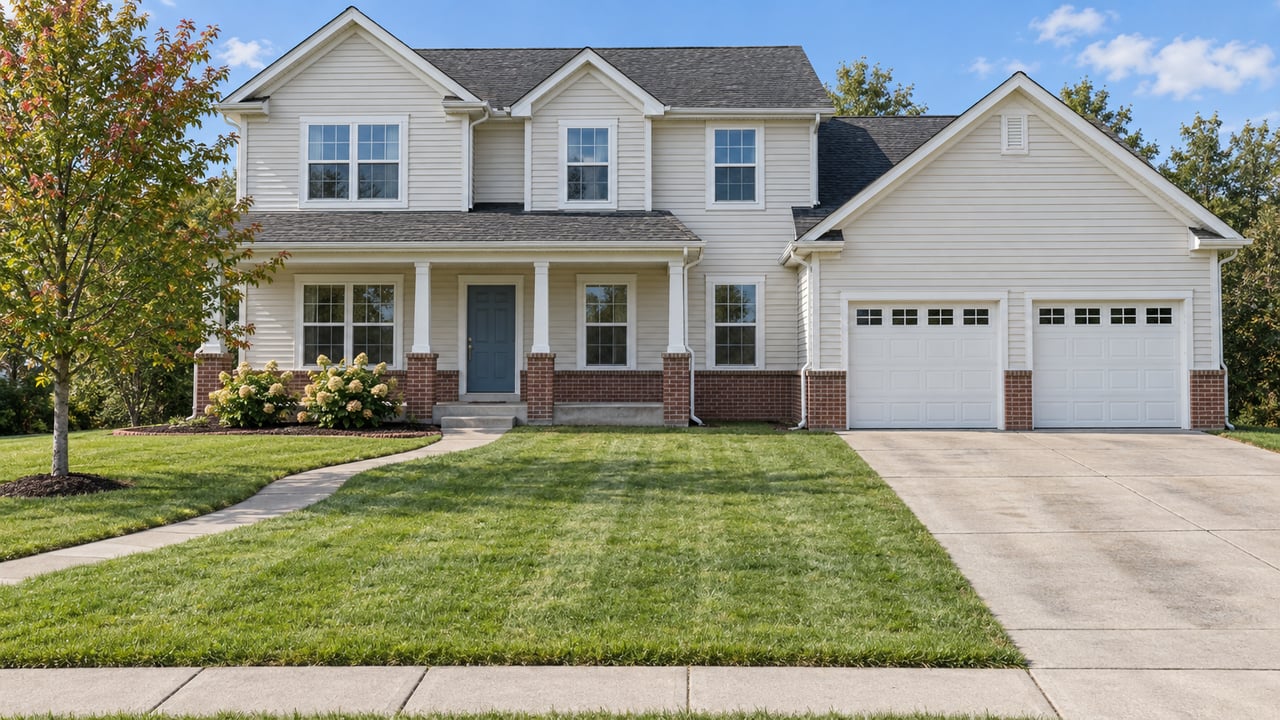
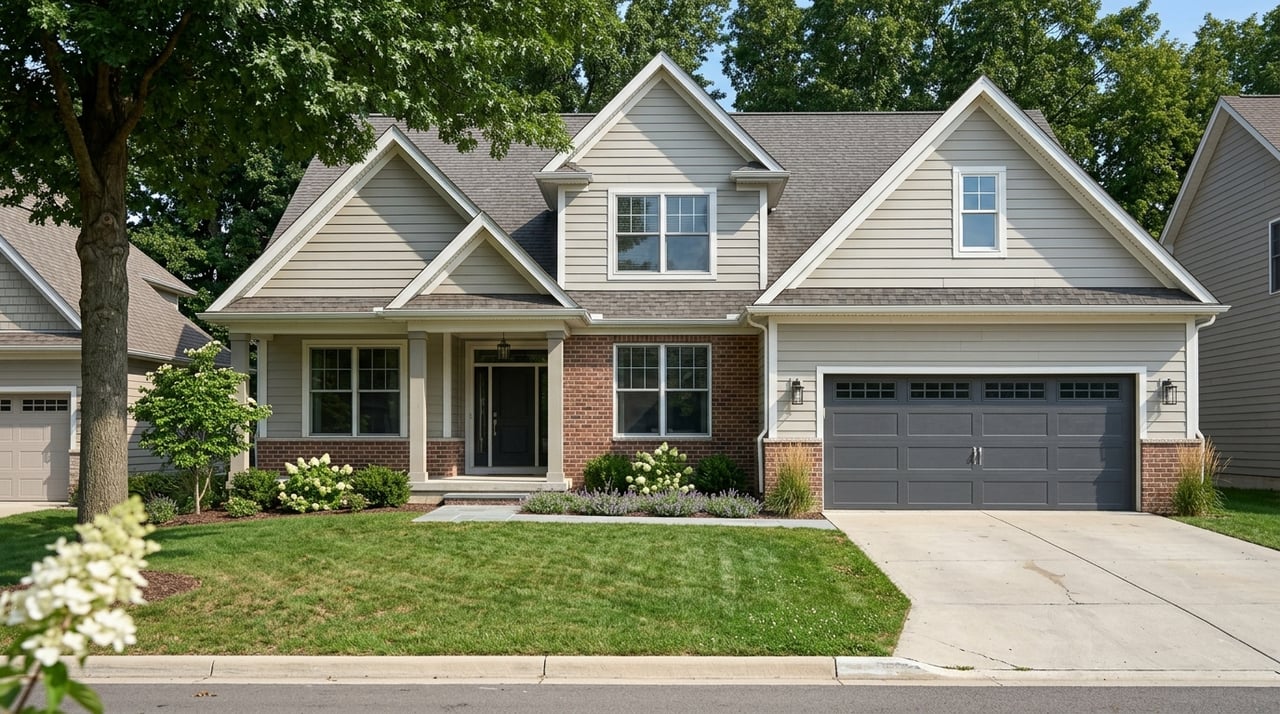
If you are moving from the Philadelphia suburban ring, you may be surprised by how many housing types you will find in Berks. According to the county comprehensive plan, the area includes detached homes, semi-detached homes, townhouses, smaller higher-density housing in outlying boroughs, mobile-home communities, and rural homes tied to agricultural landscapes.
That variety matters because your move does not have to fit one mold. You may be looking for a traditional single-family home with more yard space, a townhouse with lower exterior maintenance, or a property in a more rural setting with a larger lot. Berks gives you more of those choices across different settings.
The county’s 2024 subdivision review report also shows that new housing activity is not limited to one format. Proposed projects reviewed during the year included 159 single-family detached units, 659 townhouses, 1,003 apartments, and 4 semi-detached units, along with several larger mixed-use and mixed-housing proposals.
Home Prices Are Lower Than Greater Philadelphia
For many buyers, affordability is the main reason to look west. The median owner-occupied home value in Berks County is $257,300, compared with $436,700 in Montgomery County, $445,700 in Bucks County, and $485,600 in Chester County.
Renters also see a gap. Median gross rent in Berks is $1,181, compared with $1,683 in Montgomery, $1,605 in Bucks, and $1,763 in Chester.
That difference can open up options. Depending on your budget and goals, you may be able to buy more square footage, a larger lot, or a different property type than what you could comfortably consider farther east.
Commuting Usually Means Driving
This is one of the biggest adjustments for many relocators. Berks County is still very much car-first, and the county’s long-range transportation plan says non-motorized commuting is not common and that much of the infrastructure is designed around vehicle travel.
Sidewalks are concentrated mainly in boroughs, the City of Reading, and some more urbanized townships. If you are used to more connected suburban infrastructure in parts of Montgomery, Bucks, or Chester County, this can feel like a noticeable shift.
Public Transit Is More Local Than Regional
Berks County does have transit service through BARTA. The county transportation guide outlines fixed-route bus service and special services within the county, with fixed-route hours running from early morning through late evening.
Still, BARTA is best understood as a county-based system, not a regional rail substitute. If your current lifestyle depends on frequent rail access or broader transit flexibility, you will want to think carefully about where you live and how often you need to commute outside the county.
Highways Shape Daily Life
Much of Berks County life revolves around the road network. Key travel corridors include US 222, US 422, I-78, I-76/PA Turnpike, PA 61, PA 183, and PA 645.
County transportation planning also notes that US 222 and US 422 remain major corridors receiving improvement attention. For many movers from Greater Philadelphia, those routes are part of the adjustment, especially if work, family, or regular errands still pull you east.
Eastern Berks Often Feels Like a Transition Zone
If you are coming from Montgomery, Bucks, or Chester County, it helps to understand that not all of Berks feels equally removed from the Philadelphia suburban pattern. A county planning document notes that suburbanization has been spreading along the Route 422 and Pennsylvania Turnpike growth corridor from Montgomery County into Berks.
That makes eastern and southeastern Berks especially relevant for buyers who want a bridge between Philadelphia-area suburbs and the rest of the county. In many cases, these areas can feel like a middle ground, offering more space and lower housing costs while keeping you better connected to familiar regional travel patterns.
Many People Work Locally
A move to Berks does not always mean a longer workday. The countywide mean travel time to work is 25.4 minutes, compared with 27.8 minutes in Montgomery County, 29.0 in Bucks County, and 26.9 in Chester County.
That does not mean every commute is short, especially if you still work closer to Philadelphia. But it does suggest that many residents are working locally or using the county’s own corridor network rather than making a long trip every day.
Berks also supported 172,167 total jobs across 8,521 employer establishments in 2023. That scale helps explain why many households can build a lifestyle centered within the county itself.
Outdoor Access Is a Real Lifestyle Perk
If you want more room to breathe, this may be one of the most appealing parts of the move. Berks County offers strong access to recreation and open space, and that can change your day-to-day routine in a very practical way.
Blue Marsh Lake has a year-round multi-use trail system and connects into the wider county trail network. The lake was developed for flood-risk management, water supply, water quality, and recreation, and it remains one of the county’s standout outdoor assets.
The Union Canal Towpath Trail is a 4.5-mile crushed-stone National Recreation Trail that links several county parks and connects to both the Schuylkill River Trail and the Blue Marsh Lake trail system. In southeastern Berks, Nolde Forest Environmental Education Center adds another outdoor option with daily access from sunrise to sunset.
Berks Often Feels Greener and Less Built Out
Open space in Berks is not just visual. It is part of the county’s structure and identity. The county’s 2024 annual report says Berks has preserved 828 farms, while the comprehensive plan notes that much of the land available for future residential development remains agricultural.
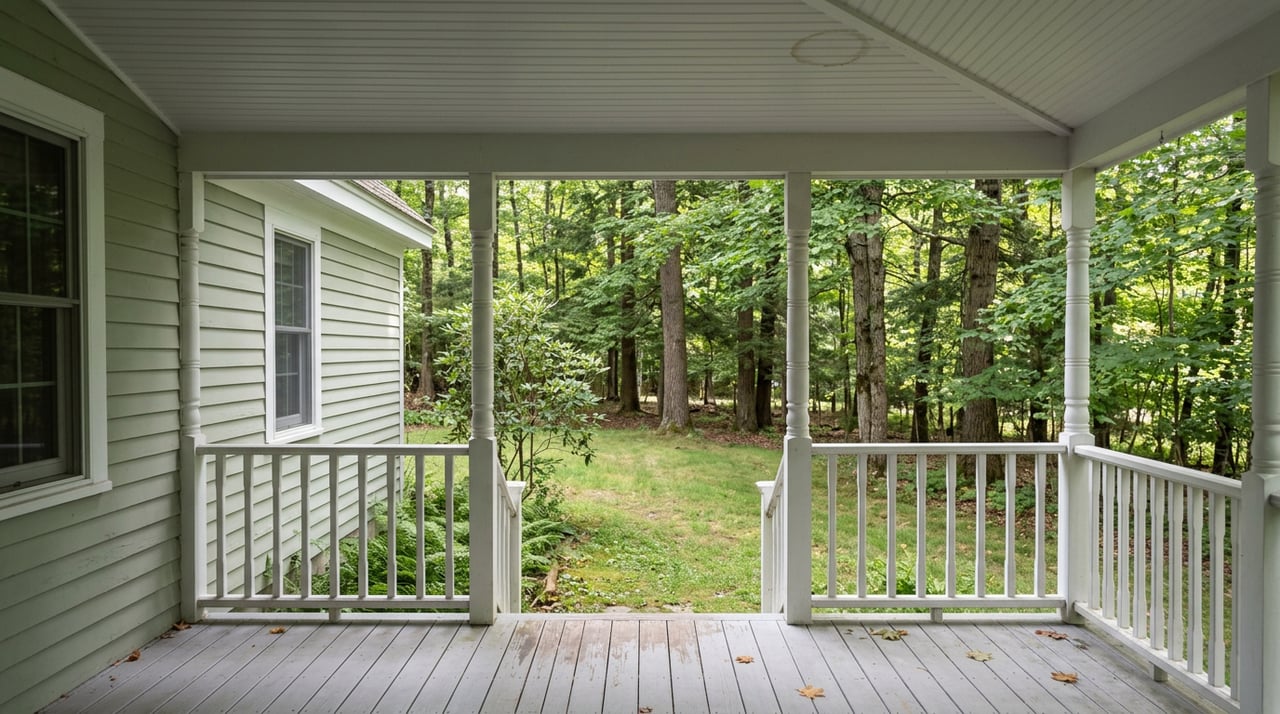
That helps explain why the county often feels more open and less built out than the suburban counties to the east. For many buyers, that difference is not just about scenery. It shapes lot sizes, road patterns, views, and the overall pace of daily life.
What to Expect Before You Move
If you are considering Berks County, it helps to go in with a balanced view. The area can offer more value, more housing variety, and better access to open space than many buyers find in Montgomery, Bucks, or Chester County.
At the same time, you should expect a more car-dependent lifestyle and fewer transit and walkability options outside Reading and some borough-centered areas. That tradeoff is often worth it, but it should match how you actually live and commute.
A smart relocation plan usually starts with a few practical questions:
- How often will you need to travel back toward Greater Philadelphia?
- Do you want a more suburban, village, or rural setting?
- Is your goal more square footage, more land, lower monthly costs, or all three?
- Do you want a home that is move-in ready, newly built, or better suited for long-term flexibility?
The more clearly you answer those questions, the easier it becomes to narrow down the right part of Berks County for your next move.
If you are weighing a move and want clear, practical guidance on how to compare locations, housing options, and lifestyle tradeoffs, Denise Bollard can help you think through your next step with local insight and a client-first approach.
FAQs
What is the biggest lifestyle change when relocating to Berks County from Greater Philadelphia?
- The biggest change is usually a shift to a more car-dependent lifestyle, along with a less dense and more spread-out environment.
How do Berks County home prices compare with Montgomery, Bucks, and Chester counties?
- Berks County has a median owner-occupied home value of $257,300, which is significantly lower than Montgomery at $436,700, Bucks at $445,700, and Chester at $485,600.
What types of homes can you find in Berks County?
- Berks County includes detached homes, townhouses, semi-detached homes, apartments, mobile-home communities, and rural homes on larger lots.
Is public transportation in Berks County similar to Greater Philadelphia transit options?
- No. Berks County has BARTA bus service within the county, but it is not a substitute for the broader regional rail and transit options many Greater Philadelphia residents may be used to.
What makes Berks County appealing for outdoor recreation?
- Berks County offers access to Blue Marsh Lake, the Union Canal Towpath Trail, Nolde Forest, and a broader pattern of preserved farms and open space that supports a more outdoor-oriented lifestyle.