Thinking about trading yard work for an easier lifestyle in Lebanon? Low-maintenance condominiums can give you more time back while keeping your monthly costs predictable. Whether you are downsizing from a single-family home or balancing a busy schedule, understanding how condo fees, HOAs, insurance, and financing work will help you choose the right fit. In this guide, you will learn what Lebanon’s condo options look like, what your dues usually include, how to evaluate an association, and a simple checklist to protect your purchase. Let’s dive in.
What low maintenance means in Lebanon
Lebanon’s condo market offers a range of choices, from townhome-style condos to newer, amenity-focused buildings. As of March 2026, recent listings show asking prices starting in the low $200,000s for smaller or resale townhome units and rising to roughly $400,000 to $525,000 for new luxury 2-bedroom condominiums. Monthly HOA or condo fees vary by community and services provided, but examples in local listings often fall between about $233 to just under $600 per month. Fees can be higher in buildings with elevators, structured parking, or on-site amenities.
Nationally, HOA and condo dues have been trending upward as more listings include association-maintained features and as operating costs rise. That context is useful when you compare communities and plan your monthly budget. You can use the association’s budget and reserve information to see what is driving dues and whether increases are expected. For a broader look at why fees are rising, review recent coverage on HOA trends from HousingWire.
Common condo types here
Amenity condos like 117 On The Boulevard
New construction, stacked condominium buildings in Lebanon offer modern finishes and convenience. At communities marketed like 117 On The Boulevard in North Cornwall Commons, you will see 1 to 2-bedroom plans, elevator access, fitness space, and a rooftop terrace. Listing notes often show HOA inclusions such as exterior building maintenance, lawn care, snow removal, and trash service. These buildings appeal if you want walkable comforts and simple upkeep.
Townhome-style condos like Parkside
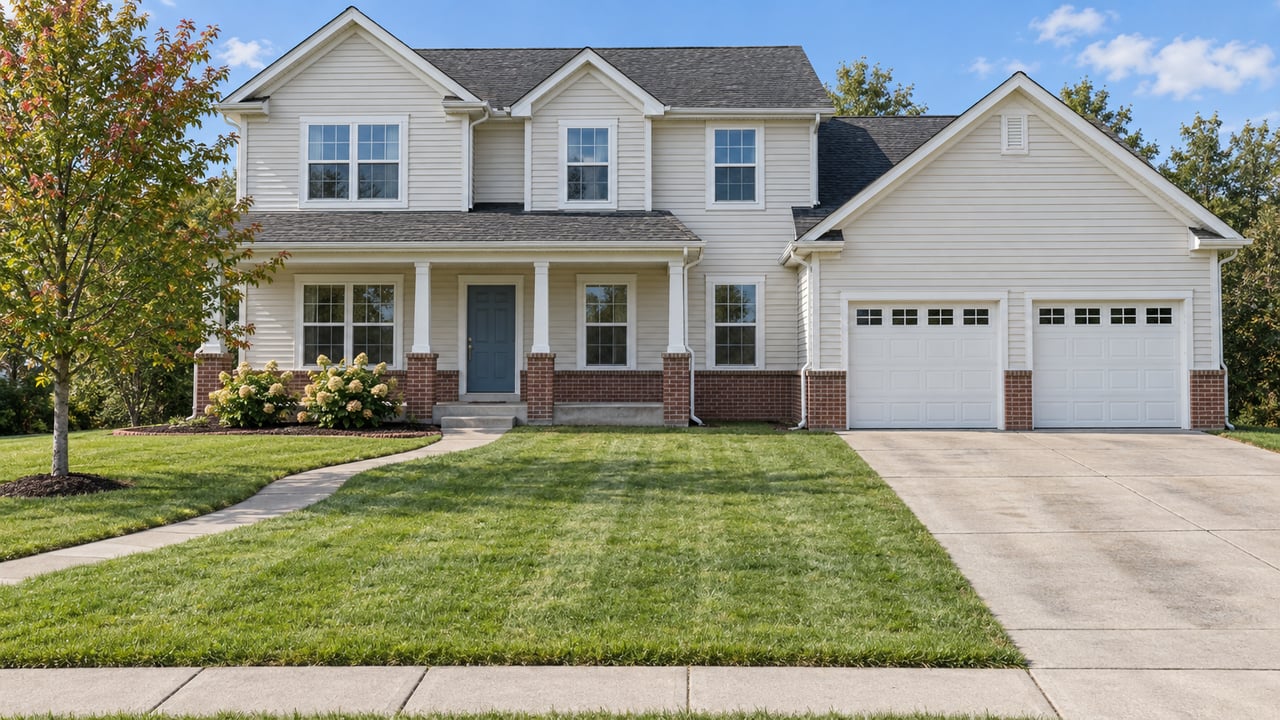
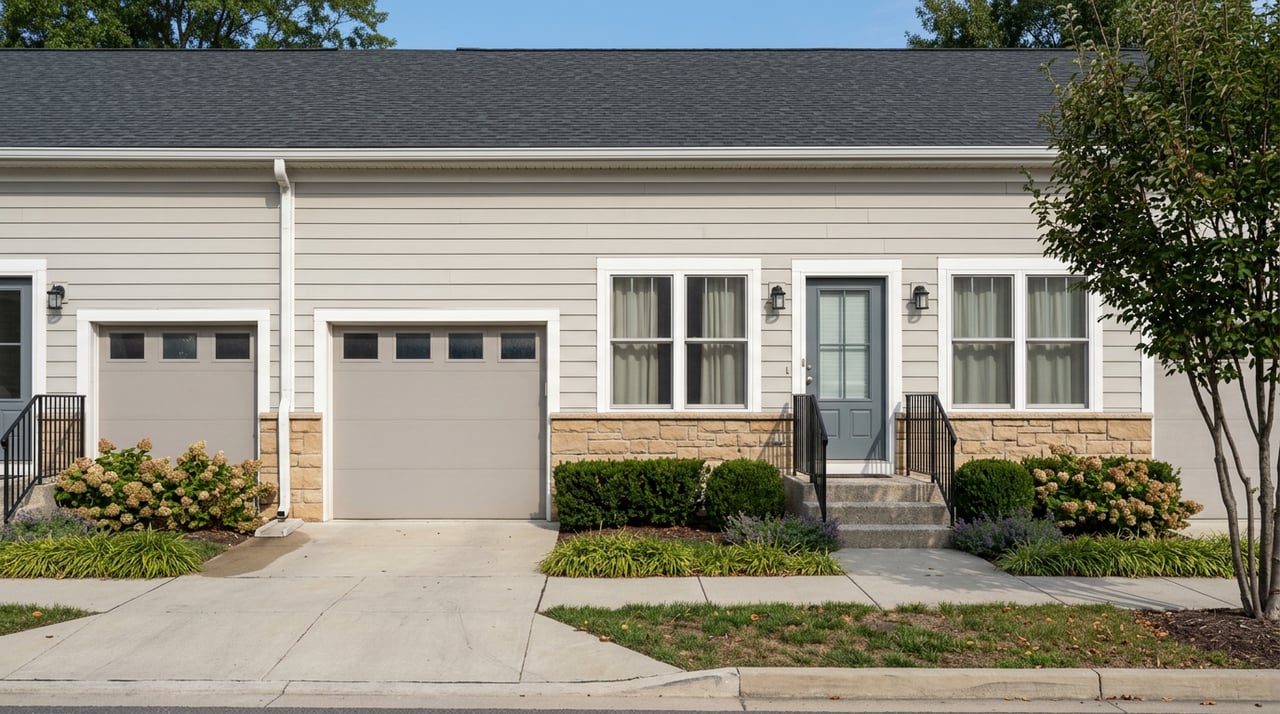
Townhome-style condominiums look and live like a traditional townhouse, often with 2 to 3 bedrooms and multiple levels. In Lebanon examples such as Parkside, the association typically handles exterior maintenance, roofing, lawn care, and snow removal while you manage the interior. A typical example fee in recent listings is about $700 per quarter, which is roughly $233 per month. This setup suits downsizers who prefer a house-like layout without yard work.
Smaller conversions and downtown flats
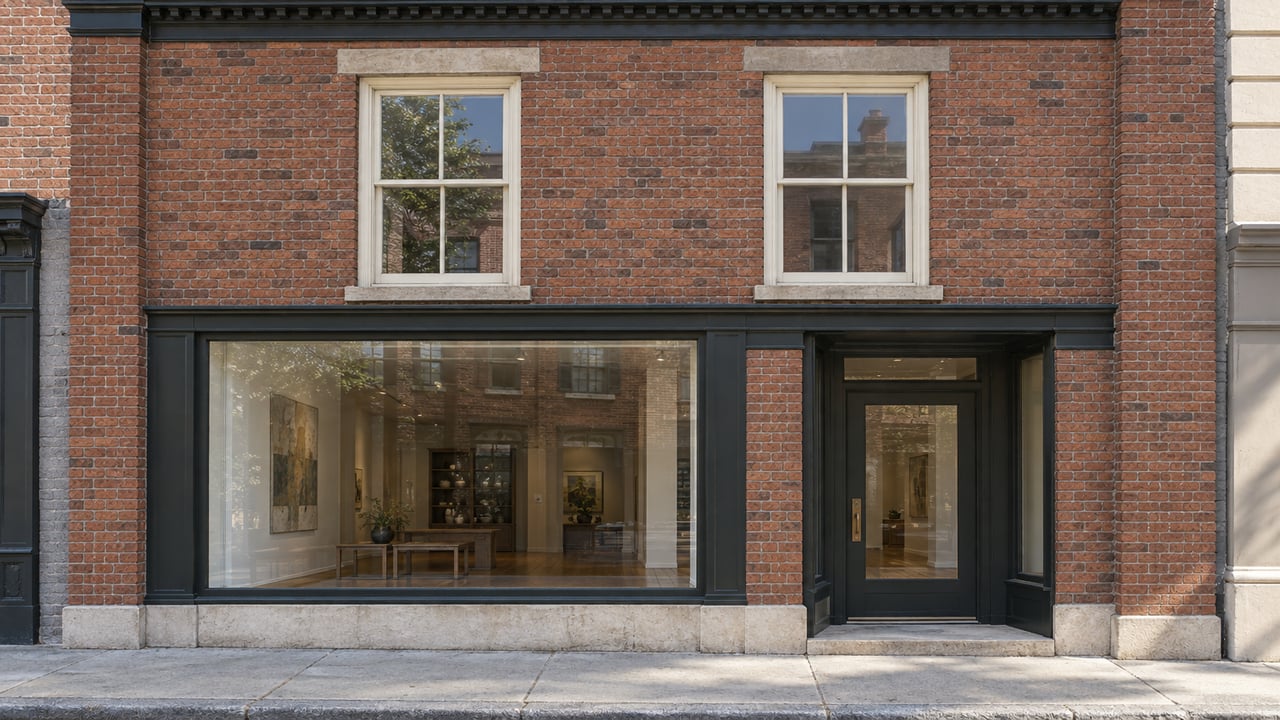
You will also find smaller buildings and conversions into flats around central Lebanon. These often carry lower HOA dues and fewer amenities. Expect on-street parking in some cases and association rules that vary by building size. Read the resale certificate and rules to confirm what is included and what restrictions apply.
Typical sizes and finishes
- 1-bedroom units: about 900 to 1,200 square feet
- 2-bedroom units: about 1,100 to 1,500 square feet
- Townhome-style units: about 1,500 to 2,200+ square feet
Many newer units highlight open kitchens, luxury vinyl plank flooring, covered parking, and balconies.
What your HOA covers
Pennsylvania rules at a glance
Condominiums in Pennsylvania operate under the Pennsylvania Uniform Condominium Act. Associations are responsible for the common elements and shared systems, and unit owners maintain their interiors. For resales, the seller must provide a statutory resale certificate with key disclosures, and you have a right to cancel the purchase until you receive that certificate and for five days after receipt. Review the statute for details under Title 68 on the Pennsylvania General Assembly site.
What fees usually pay for
Condo dues fund day-to-day operations and future repairs. Common inclusions are exterior building maintenance, roofing, landscaping, snow removal, trash service, common area utilities, elevator upkeep, property management, and the association’s master insurance. Communities with fitness centers, rooftop terraces, pools, or structured parking will typically have higher fees because there is more to maintain. Always confirm the exact inclusions and exclusions in the HOA documents.
Reserves and special assessments
Healthy associations build reserves for major replacements such as roofs, paving, siding, and elevators. Many lenders review reserve funding and budgets to decide if a condo project is eligible for conventional financing. If reserves are low or costs spike, a special assessment can be levied to cover projects. Given rising construction and insurance costs nationally, ask whether any recent or pending assessments exist. For background on lender project criteria and reserve expectations, review standard condominium approval requirements.
Insurance essentials for owners
- Master policy: The association buys a policy that covers the building shell and common areas. Coverage can be “bare walls” or “all-in,” which affects your personal policy.
- Your HO-6 policy: You will need an HO-6 policy that covers your interior finishes, personal property, personal liability, and a loss assessment endorsement. The loss assessment piece helps cover your portion of an association assessment if the master policy’s deductible or limits are exceeded. Learn more about HO-6 coverage and loss assessment from a clear homeowner’s guide.
Financing and taxes
Check project eligibility early
If you plan to use a conventional, FHA, or VA loan, the condo project may need to meet specific agency standards. This process can require documents such as declarations, bylaws, budgets, insurance statements, and litigation disclosures and can take time. If you are considering a new development like 117 On The Boulevard, confirm its current eligibility status with your lender before you write an offer. For VA-specific guidance on condo approval, see this overview.
Are HOA dues tax deductible
For a primary residence, typical HOA and condo dues are personal living costs and are not tax deductible. If you rent out the unit, routine dues are generally deductible as rental expenses on Schedule E, and a qualified home office may allow a partial allocation. Tax situations vary, so consult your advisor. You can read more about how the IRS treats HOA fees in a plain-language explainer.
Lebanon examples and fee context
Here are illustrative snapshots from recent Lebanon listings as of March 2026. Always verify current figures in the HOA packet and resale certificate before you decide.
- 117 On The Boulevard: Many 2-bed, 2-bath units priced roughly $409,000 to $524,000. HOA or condo fees vary by unit, with examples around $278 to $591 per month. Typical inclusions noted are exterior building maintenance, lawn care, snow removal, and trash service, plus building amenities.
- Parkside Townhome Condos: Resale townhomes often trade in the $250,000 to $330,000 range depending on size and condition. Example assessments are about $700 per quarter, roughly $233 per month, covering exterior maintenance, roofing, lawn care, and snow removal.
- Woodland Estates example: A recent listing noted a condo fee around $271 per month that included exterior maintenance and trash service.
Use these as ballpark comparisons when you add up your total monthly housing cost. Your full budget should include mortgage principal and interest, property taxes, HOA or condo dues, HO-6 insurance, and utilities. Some utilities may be included in dues, so confirm the details in the HOA documents.
Buyer due-diligence checklist
Build these items into your offer timeline so you have time to review and, if needed, cancel within Pennsylvania’s statutory window.
Resale certificate: Required for resales under Pennsylvania law. It includes the current assessment amount, unpaid balances, and governing documents. In Pennsylvania, you can cancel the contract until you receive the certificate and for five days thereafter. Review the Uniform Condominium Act reference for exact timelines.
Current budget and financials: Ask for the latest operating budget, year-to-date income statement, and balance sheet. Compare dues to actual expenses and look for recent use of reserves or assessments. Lender guidelines often look for adequate reserves.
Reserve study and capital plan: A recent reserve study and a clear plan for major replacements are positive signals. No study or low reserves are red flags.
Insurance declarations: Request the association’s master policy, including coverage type and deductibles, plus fidelity coverage. Ask your insurer about an HO-6 with a loss assessment endorsement to fill gaps.
Board meeting minutes: Review the last 6 to 12 months for signs of planned capital projects, litigation, frequent rule changes, or vendor issues. Consistent notes on big repairs can foreshadow fee changes.
Management and vendor contracts: Look at terms and pricing for landscaping, snow removal, roofing, elevator service, and management. Contract renewals often drive future dues.
Occupancy and rental rules: Confirm rental caps and owner-occupancy percentages. These can affect lending and future resale.
Delinquency and collections: Ask for the current delinquency rate and the collection policy. High delinquencies can pressure dues or trigger assessments.
Special assessments and litigation: Request disclosures on any pending or recent assessments and open litigation. These are major risk indicators.
Utilities and parking: Clarify who pays for water, sewer, gas, and trash, and whether parking or garages are deeded or assigned. These details affect both convenience and value.
Pros and cons to weigh
Advantages for time-savers
- Minimal exterior maintenance handled by the association
- Snow removal and lawn care included
- Amenities such as fitness rooms and rooftop spaces in some buildings
- Predictable upkeep and easier travel in winter months
Tradeoffs to consider
- Mandatory dues that can increase over time
- Less private outdoor space
- Community rules on pets, renovations, and rentals
- Risk of special assessments if reserves are low
National reporting has noted rising dues in many markets as insurance, utilities, and construction costs increase. Review the association’s budget and reserve plan to understand the local impact.
Quick legal and verification tips
- Reverify all numbers: Listing details such as dues, coverage, taxes, and prices change frequently. Use the HOA packet, resale certificate, most recent budget, reserve statement, and board minutes as your source of truth.
- Know your rights: In Pennsylvania, the resale certificate disclosure and five-day cancellation window protect you. Do not waive your right to review.
- Confirm financing early: Ask your lender about project eligibility for conventional, FHA, or VA loans at the start of your search. If a building is not yet approved, the review can take weeks.
Ready to skip the yard work and keep your weekends free? If you want help comparing Lebanon condo communities, reviewing HOA packets, or coordinating the sale of your current home and the purchase of a new one, connect with Denise Bollard. You will get clear answers, local insight, and a plan that fits your goals.
Schedule a consultation with Denise Bollard.
FAQs
What do Lebanon condo fees usually include
- Most communities fund exterior building maintenance, roofing, landscaping, snow removal, trash service, common utilities, and master insurance. Amenities like fitness rooms or rooftop terraces can increase dues.
How does Pennsylvania protect condo buyers during resales
- Under the Pennsylvania Uniform Condominium Act, sellers must provide a resale certificate. You can cancel until you receive it and for five days after receipt. Review Title 68 for details on timing and content.
What insurance does a condo owner need in Pennsylvania
- You will need an HO-6 policy that covers your interior finishes, personal property, personal liability, and a loss assessment endorsement. The exact coverage depends on what the association’s master policy includes.
Can I use a VA loan to buy a condo in Lebanon
- Possibly. The condo project must meet VA approval standards. Ask your lender to confirm whether the building is currently approved or can be reviewed, and start that process early.
Are HOA or condo fees tax deductible on my primary home
- Generally no. Typical HOA or condo dues for a primary residence are personal living expenses. If you rent the unit, dues are usually deductible as rental expenses. Ask your tax advisor about your situation.