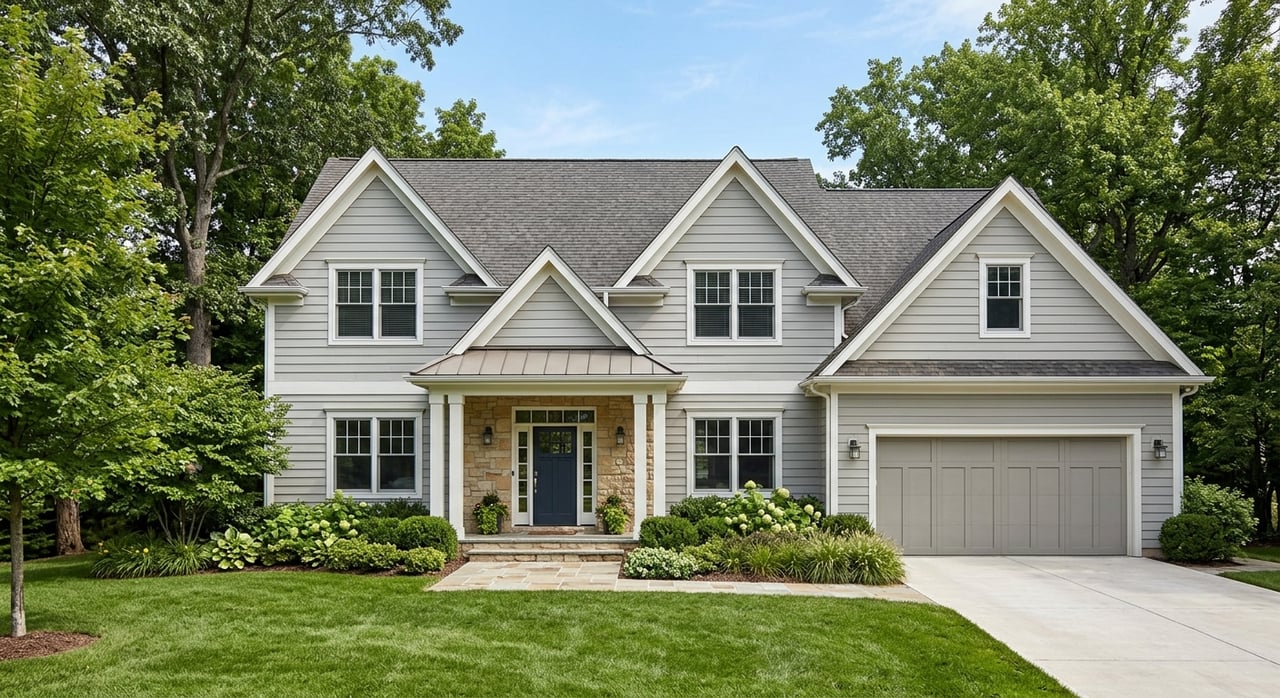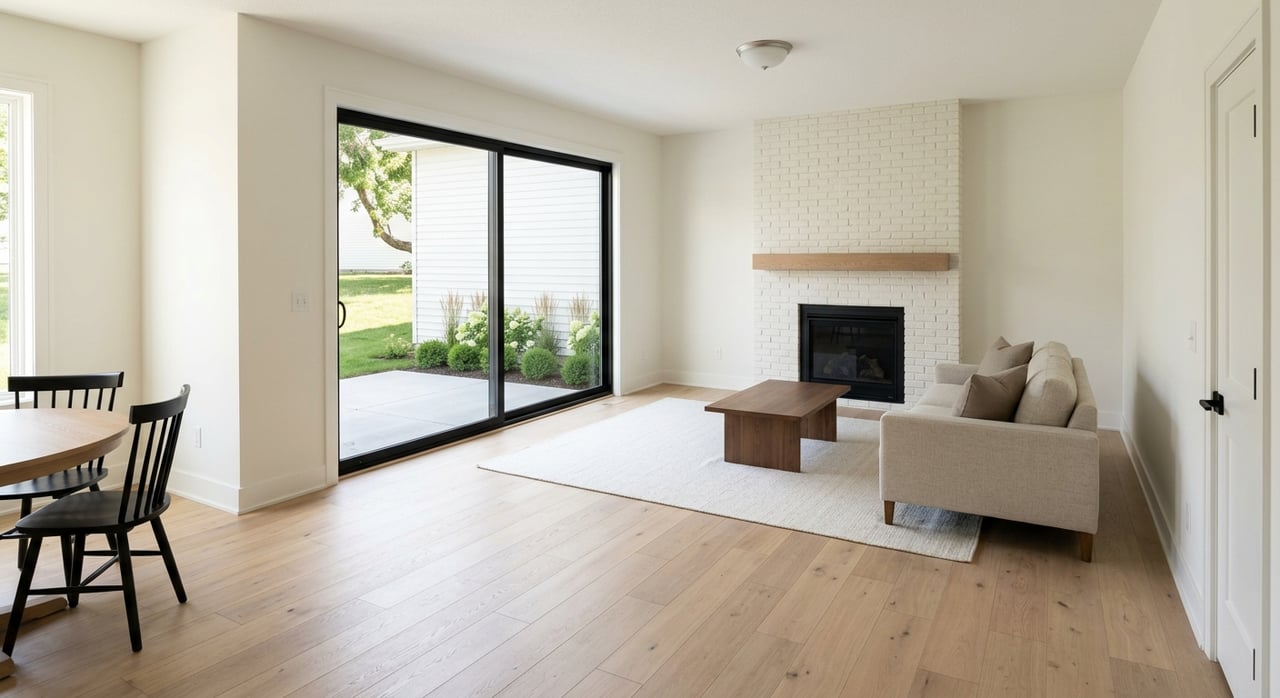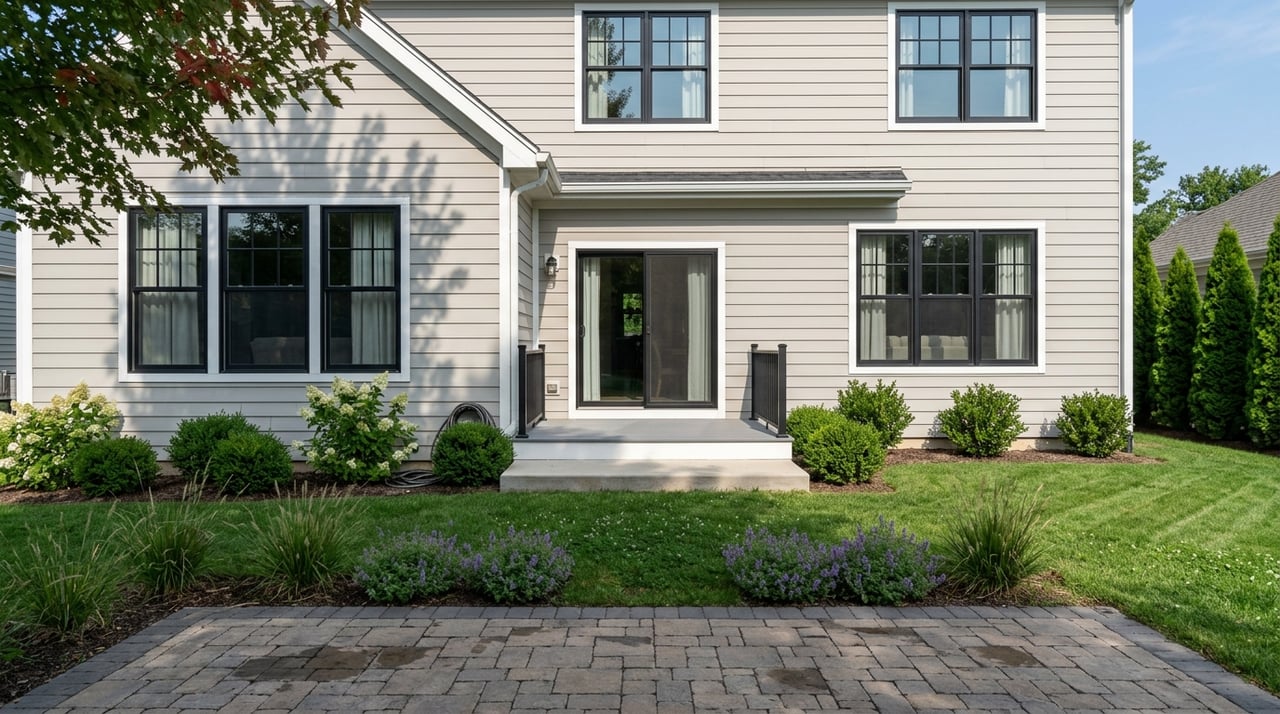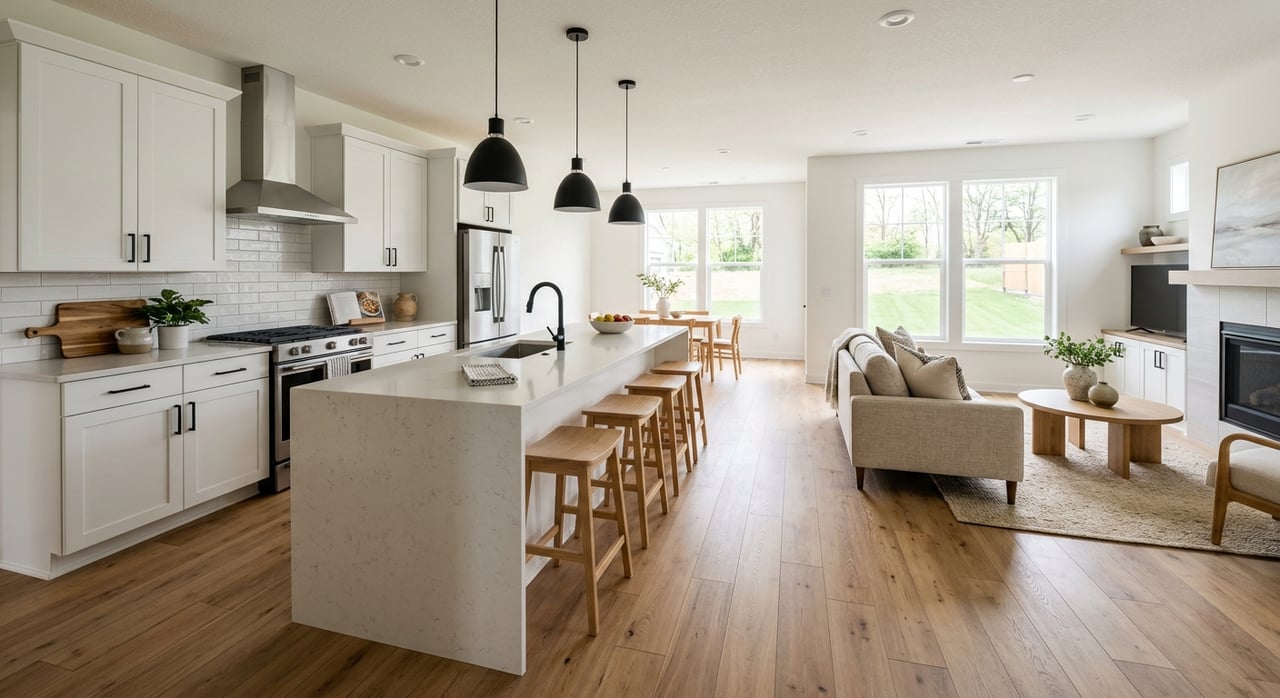
Buying in a new construction community can feel exciting at first glance, but the model home is only part of the story. If you are comparing options in Berks County, you need more than pretty finishes and a polished sales presentation to make a smart decision. The real value comes from knowing how to verify approvals, understand the lot, review the warranty, and calculate the full cost before you commit. Let’s dive in.
Start With the Community Records
Before you fall in love with a floor plan, start with the public record. Berks County provides parcel tools, web mapping apps, and a Subdivision and Land Development Dashboard that can help you confirm parcel boundaries, ownership, recorded plans, and the status of subdivision or land-development review.
This matters because what you hear in a sales office and what is officially recorded are not always the same thing. A quick review of county records can help you understand whether the community is fully approved, still in review, or subject to conditions that may affect your timeline or the finished neighborhood.
Check approvals early
Berks County recommends contacting the Planning Commission before relying on subdivision or land-development plan endorsement. That is a practical reminder for buyers: approvals can involve both county and local review, and details may still be changing.
You should also verify the applicable township or borough zoning ordinance, subdivision and land-development ordinance, and any site-specific stormwater conditions. If a future promise is important to you, such as open space, road layout, or buffering, confirm it through the recorded plans and local approvals.
Review Floodplain and Stormwater Risk
A beautiful homesite can come with hidden questions about drainage and flood risk. In Berks County, floodplain review should happen early in your search, not after you are already under contract.
County planning materials note that FEMA flood-map modernization changed flood zones in parts of the county. Properties in Zones A and AE are considered special flood hazard areas, and federally regulated mortgages generally require flood insurance in those zones.
Ask direct questions about water management
You do not need to be an engineer to ask smart questions. On every community visit, ask whether the lot is affected by floodplain rules, how stormwater is managed, and whether there are easements or drainage features on the property.
Stormwater management for development is usually reviewed with subdivision and land-development plans and then implemented through municipal ordinances. That means the lot you choose, and not just the community overall, deserves a careful look.
Compare Lots, Not Just Floor Plans
One of the biggest mistakes buyers make is comparing model homes instead of comparing actual lots and written specifications. A model home is a sample. It is not a full promise of what comes standard in every home.
Ask for a written base-spec sheet and a separate upgrade sheet for each community you tour. This gives you a cleaner way to compare one builder to another and to see what is included in the advertised price.
Focus on what is standard
When you review a new construction community, ask these questions:
- What is included in the base price?
- Which finishes or features are upgrades?
- Is there a lot premium?
- Are any items still listed as allowances?
- What parts of the lot are included in the premium?
This approach helps you compare communities on equal terms. A lower starting price can look appealing until you discover that key features in the model were all optional.
Study the lot itself
The lot can affect your day-to-day experience as much as the house design. Review lot orientation, setbacks, easements, drainage patterns, and whether future phases could affect traffic, privacy, or views.
County parcel-viewing tools and recorded-plan resources are a strong place to begin. They can help you move beyond the sales pitch and look at the physical and legal details tied to the homesite.
Understand HOA Rules and Costs
If the community is a planned community, the homeowners association deserves close attention. In Pennsylvania, the Uniform Planned Community Act governs planned communities with more than 12 units and includes requirements tied to HOA and developer obligations.
For you as a buyer, the key step is simple: review the HOA documents before you move forward. You want to understand the dues, restrictions, responsibilities, and any history involving assessments or transition from developer control.
Read beyond the monthly fee
A low monthly HOA fee does not tell the full story. Ask what the dues cover, whether special assessments are possible, and what rules apply to exterior changes, parking, rentals, or shared spaces.
This is especially important in newer communities where not every phase may be complete. The HOA structure today may not look exactly the same after more homes are built and control eventually shifts.
Judge the Builder by Documents
With new construction, the contract package matters more than many buyers expect. Pennsylvania’s Office of Attorney General says the Home Improvement Consumer Protection Act does not treat the construction of a new home as a home improvement, so buyers should not assume those remodel-style contractor-registration protections apply to a new-build contract.
That makes it even more important to read the builder contract, warranty packet, and closing paperwork closely. These documents help define your protections, your obligations, and the process if something goes wrong.
Know what the warranty covers
The FTC says most newly built homes come with a builder warranty. Typical coverage is often one year for workmanship and materials on most components, two years for HVAC, plumbing, and electrical systems, and up to 10 years for major structural defects in some warranties.
Just as important, warranty coverage has limits. The FTC notes that most new-home warranties usually do not cover household appliances or small cracks in brick, tile, cement, or drywall.
Ask how claims are handled
A warranty is only as useful as the claims process behind it. Ask who handles service requests, what deadlines apply, and whether mediation or arbitration is required for disputes.
The FTC also recommends putting claims in writing and keeping records. That is a smart habit from day one, especially if you want a clear paper trail after closing.
Watch for Well and Septic Issues
Not every new construction home connects to public utilities. If the property relies on a private well or septic system, build extra due diligence into your plan.
Pennsylvania’s Home Inspection Law defines a home inspection as a noninvasive visual examination and specifically excludes wells, septic systems, swimming pools and spas, and environmental hazards from the standard scope. In plain terms, a standard home inspection is not enough if the property has a well or septic system.
Budget for separate inspections
If a home uses private systems, ask what permits and approvals apply and plan for separate specialist inspections. This is one of the easiest details to miss when touring a polished new community.
It is also one of the most important details for understanding long-term maintenance and avoiding surprises after closing.
Calculate the True Monthly Cost
A new construction purchase is not just about the sales price. To judge whether a community fits your budget, you need to estimate the all-in monthly and closing costs.
That includes mortgage payment, taxes, insurance, HOA dues, and any possible special assessments. If the home is in a flood zone, flood insurance may also affect your monthly budget.
Factor in transfer taxes
Pennsylvania’s Department of Revenue says the state realty transfer tax is generally 1 percent, and local realty transfer tax also applies. It also notes that the value of a construction contract can be taxable when the builder or developer and seller are affiliated.
That is an important reminder to ask for a full estimate of closing costs early. A community that looks affordable at first can feel very different once taxes, premiums, and recurring fees are added in.
Track Permits, Inspections, and Occupancy
Construction timelines are rarely as simple as a projected move-in month. Under Pennsylvania’s Uniform Construction Code, a permit is required before construction begins, inspections are required in several cases, and a certificate of occupancy must be issued before a building can be used.
That means your timeline depends on more than labor and materials. It also depends on the permit path, inspection schedule, and final approval process.
Ask for a realistic timeline
When you tour a community, ask when permit approval is expected, when framing and finish stages are scheduled, and when the certificate of occupancy is realistically likely. These questions can give you a better sense of whether the builder’s target date is conservative or optimistic.
If you are coordinating a sale, a lease ending, or a relocation, this timeline matters even more. Clear expectations can help you avoid expensive overlap or last-minute housing stress.
Protect Yourself Before Closing
Even with a strong builder and a well-run community, your final review still matters. The CFPB recommends getting a home inspection, shopping for homeowner’s and title insurance, reviewing documents carefully, and doing a final walk-through before signing.
That final walk-through is your chance to confirm that agreed items are complete and that included features are still in place. If the closing documents do not match earlier promises, ask questions before you sign.
Questions To Ask on Every Tour
If you want a simple framework, bring this checklist with you when touring new construction communities in Berks County:
- What is the base price and what is upgraded?
- What lot premium applies, and what does it include?
- What is covered by the builder warranty, and for how long?
- Who handles warranty claims after closing?
- Is there an HOA, and what are the dues and rules?
- Are future phases planned nearby?
- Are there floodplain, stormwater, well, or septic issues?
- When are permit approval, certificate of occupancy, and closing expected?
A good community evaluation is less about staged finishes and more about verifying the record, approvals, warranty, HOA structure, and all-in cost. When you take that approach, you can compare communities with more confidence and make a decision that fits both your goals and your budget.
If you are weighing new construction options in Berks County or nearby central Pennsylvania markets, working with an experienced local agent can help you ask sharper questions and compare communities more clearly. To talk through your options, connect with Denise Bollard.
FAQs
What should you verify before buying in a Berks County new construction community?
- You should verify parcel boundaries, ownership, recorded plans, subdivision or land-development status, local zoning, stormwater conditions, and any floodplain issues before relying on a model-home presentation.
How do you compare new construction communities fairly?
- Ask each builder for a written base-spec sheet and a separate upgrade sheet so you can compare standard features, allowances, lot premiums, and optional items on the same terms.
What does a builder warranty usually cover on a new home?
- According to the FTC, many new-home warranties commonly cover workmanship and materials for one year, major systems like HVAC, plumbing, and electrical for two years, and major structural defects for up to 10 years in some warranties.
What should you know about HOA documents in a Pennsylvania planned community?
- You should review HOA dues, restrictions, responsibilities, assessment history, and any details about developer obligations or transition because those items can affect both your monthly costs and how the community operates.
Does a standard home inspection cover well and septic systems in Pennsylvania?
- No. Pennsylvania’s Home Inspection Law says standard home inspections exclude wells and septic systems, so you should plan for separate specialist inspections if the property relies on private systems.
Why do permits and the certificate of occupancy matter in new construction?
- Pennsylvania requires permits before construction begins and a certificate of occupancy before the building can be used, so these steps can directly affect your true move-in and closing timeline.