Wondering why one Lancaster home draws multiple offers while another, just a few miles away, sits longer and sells for less? If you are buying or selling in Lancaster, it helps to know that price is not driven by square footage alone. The biggest factors often come down to location, housing type, condition, parking, lot size, and how well a home fits its exact submarket. Let’s dive in.
Lancaster Is More Than One Market
One of the biggest pricing mistakes you can make is treating Lancaster as a single market. Lancaster City and Lancaster County function very differently, and that difference shows up clearly in home values.
Lancaster County had 563,293 residents in 2024, while Lancaster City had 58,441. The city is also much denser, with about 8,030.9 people per square mile compared with 585.8 countywide. That density affects everything from lot size to parking to the types of homes available.
Recent sales data shows the split in pricing. In March 2026, the median sale price was $255,000 in Lancaster City and $349,900 in Lancaster County. Census estimates also show a lower median owner-occupied home value in the city at $219,500, compared with $301,100 countywide.
Owner-occupancy rates help explain part of that difference. Lancaster City has an owner-occupied rate of 48.6%, while the county sits at 69.8%. In practical terms, that means city neighborhoods, boroughs, and surrounding townships often behave like separate pricing environments, even when they are close together.
Access Shapes Buyer Demand
Where a home sits in relation to work, daily errands, and downtown amenities can have a real impact on value. Lancaster County’s economy is anchored by healthcare, education, retail, retirement living, manufacturing, and logistics.
Some of the county’s largest employers include Lancaster General Hospital, Giant Food Stores, Eurofins Lancaster Laboratories, Lancaster School District, Willow Valley Communities, Fulton Bank, Armstrong World Industries, Franklin & Marshall College, and UPMC Pinnacle Lititz. Homes with easier access to these job centers can attract stronger interest, especially for buyers who want a simpler daily routine.
Downtown Lancaster adds another layer of demand. Official city and tourism sources highlight Central Market, the 300 Block of North Queen Street, Gallery Row, Fulton Theatre, Prima Theatre, Ware Center, walkability, parking, and Amtrak access as important downtown features.
That means convenience matters. A home that offers easier access to downtown destinations or major employment hubs may appeal more strongly than a similar home farther out, especially when buyers are comparing commute time and lifestyle fit.
Older Housing Changes Pricing
Lancaster City has an older housing stock than much of the county, and that affects both value and buyer expectations. According to Lancaster Indicators, 52% of the city’s housing was built before 1940, and only 2% was built since 2010. Countywide, 19% was built before 1940 and 9% since 2010.
Older homes often bring architectural detail and character, but they also create a wider pricing range. Two homes with similar size can land at very different price points if one has preserved original features and thoughtful updates while the other needs major work.
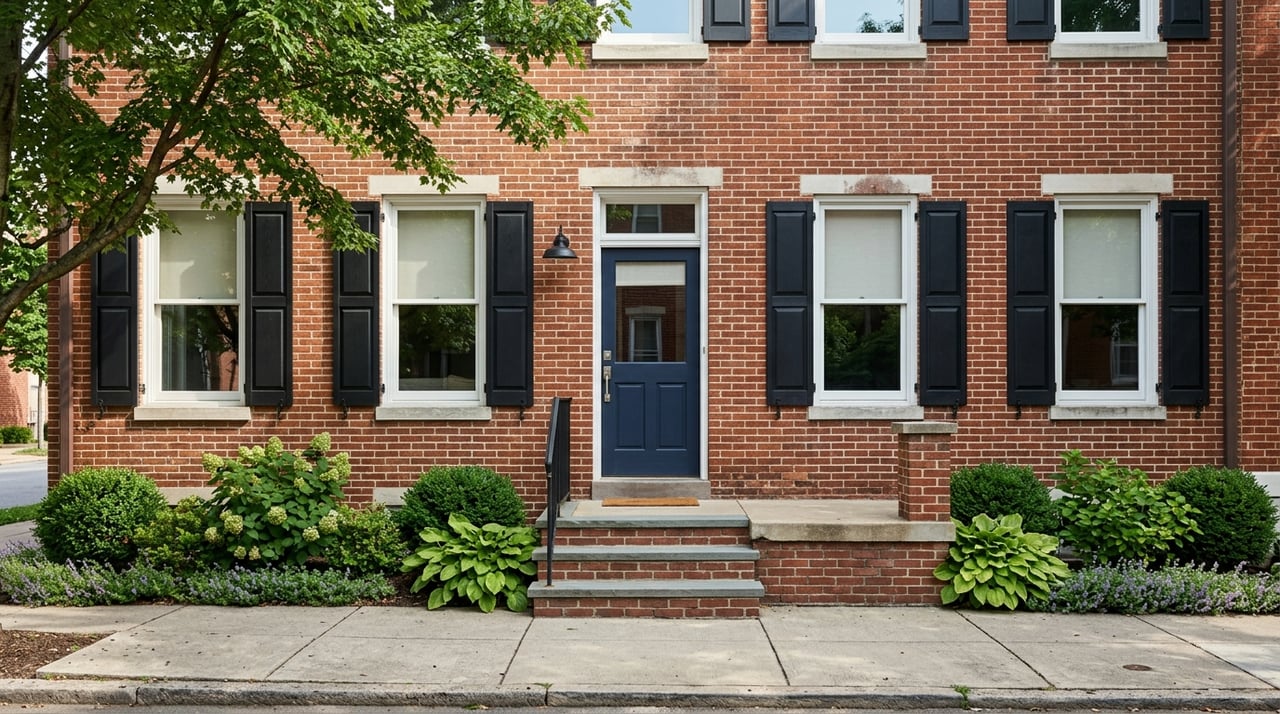
The city also places importance on historic character. Lancaster says its architecture is nationally recognized, and it uses two local historic districts with review processes for certain exterior changes. The Lancaster City Historic District covers most of the city and includes nearly 14,000 historic resources.
For buyers, that means charm can come with added considerations. For sellers, it means well-planned updates and strong presentation often matter more than cosmetic trends alone.
Historic District Rules Matter
If a home is located inside a local historic district, that can influence value in ways buyers and sellers do not always expect. Lancaster distinguishes between National Register status, which is mostly honorary, and local historic district rules, which can require review of exterior changes.
That difference matters when you compare homes. A property in a regulated historic district may offer preserved character that buyers appreciate, but it may also come with a different process for exterior work than a similar home outside those areas.
The city also notes that porches are a defining feature of many historic rowhomes, and even later porch additions can carry historic value. In Lancaster, porch condition, exterior upkeep, and the quality of past alterations can shape how buyers judge a home's overall worth.
Lot Size and Parking Carry Weight
In a compact city, outdoor space and parking can push value up quickly. Lancaster City covers just 7.23 square miles, while Lancaster County spans 943.92 square miles. That contrast helps explain why the same interior square footage can be priced very differently depending on the setting.
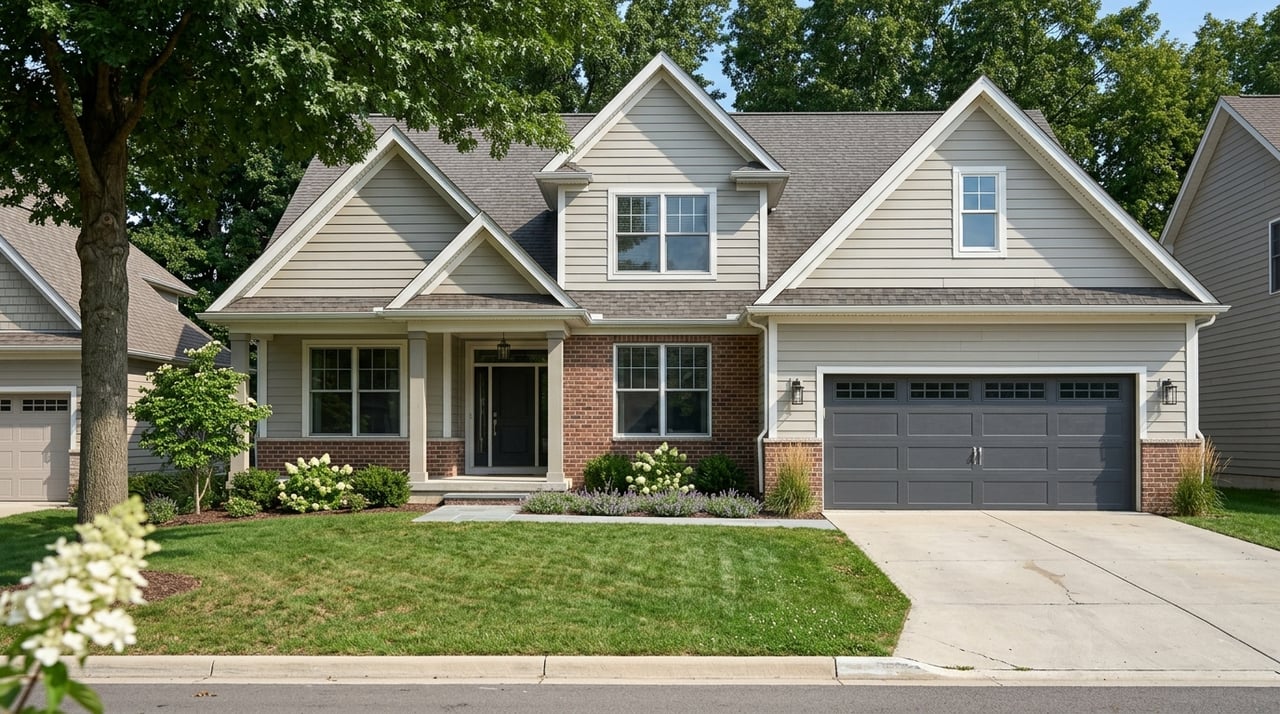
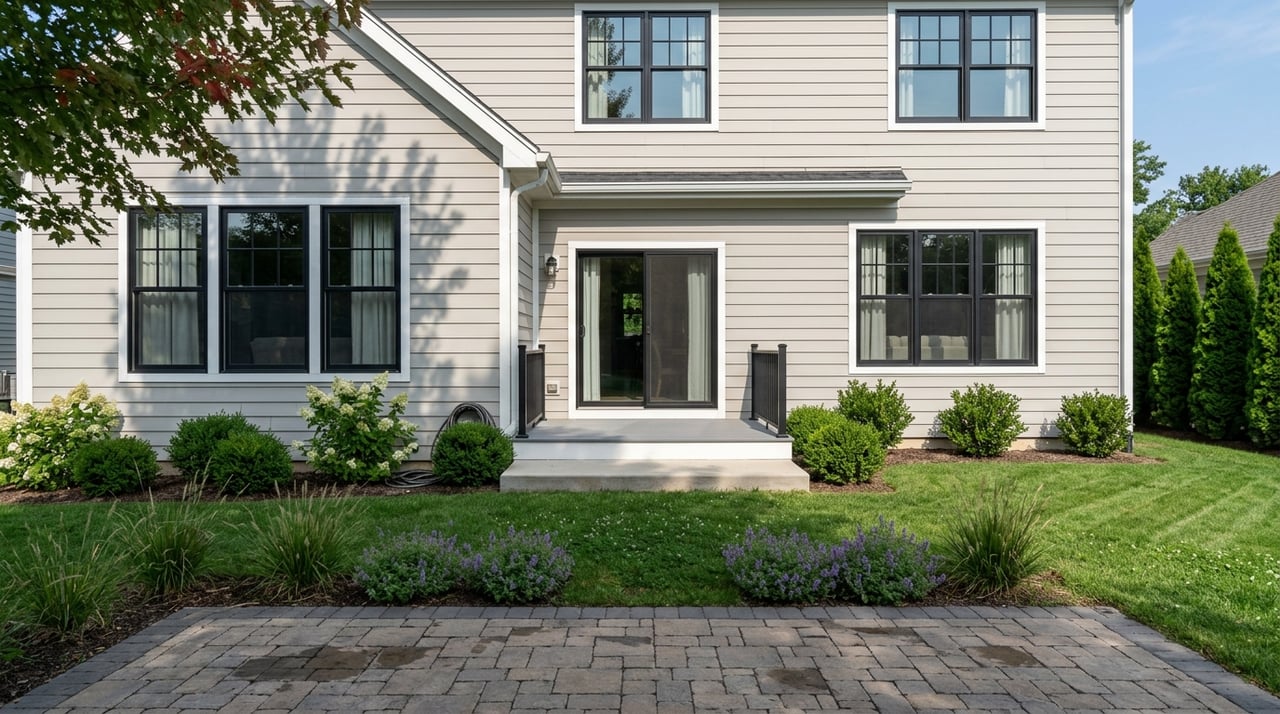
In the city, buyers often pay close attention to practical extras like a usable yard, patio, driveway, or garage. Off-street parking can be especially important because it is harder to find in dense blocks with older housing patterns.
Outside the city, the value equation often shifts. In lower-density townships and more suburban or rural settings, buyers may place more emphasis on larger lots, privacy, and garage space.
That is why a smaller city home with parking and outdoor space may compete strongly with a larger home that lacks those features. Context matters just as much as size.
Condition Still Drives Results
Even in a competitive market, condition plays a major role in what buyers are willing to pay. March 2026 data shows Lancaster City homes averaged 22 days on market, while Lancaster County homes averaged 13 days.
The sale-to-list numbers tell an important story too. Countywide, homes typically sold at 101.9% of list price, with 43.6% selling above list price and 26.4% seeing price drops. In Lancaster City, the sale-to-list ratio was 99.2%, with 31.7% selling above list.
Those numbers suggest that pricing and presentation still matter a great deal. Homes that are well-updated and priced realistically may move faster, while homes with visible repair needs or overreaching list prices may take longer and face reductions.
In many Lancaster comparisons, buyers pay close attention to:
- Roof condition
- Windows
- Kitchens and baths
- HVAC systems
- General maintenance
- Quality of updates
Countywide, 1,184 building permits were issued in 2024, so some new inventory is still entering the market. But because the city has such an older housing base, condition remains one of the clearest drivers of value.
Why Comparable Sales Must Be Local
If you want to understand what a Lancaster home is really worth, the best comps are not just nearby. They are closely matched by submarket and property type.
A strong comparison starts with geography. Lancaster City homes should be compared with other Lancaster City homes whenever possible, not with homes from a township that has different lot sizes, density, and buyer expectations.
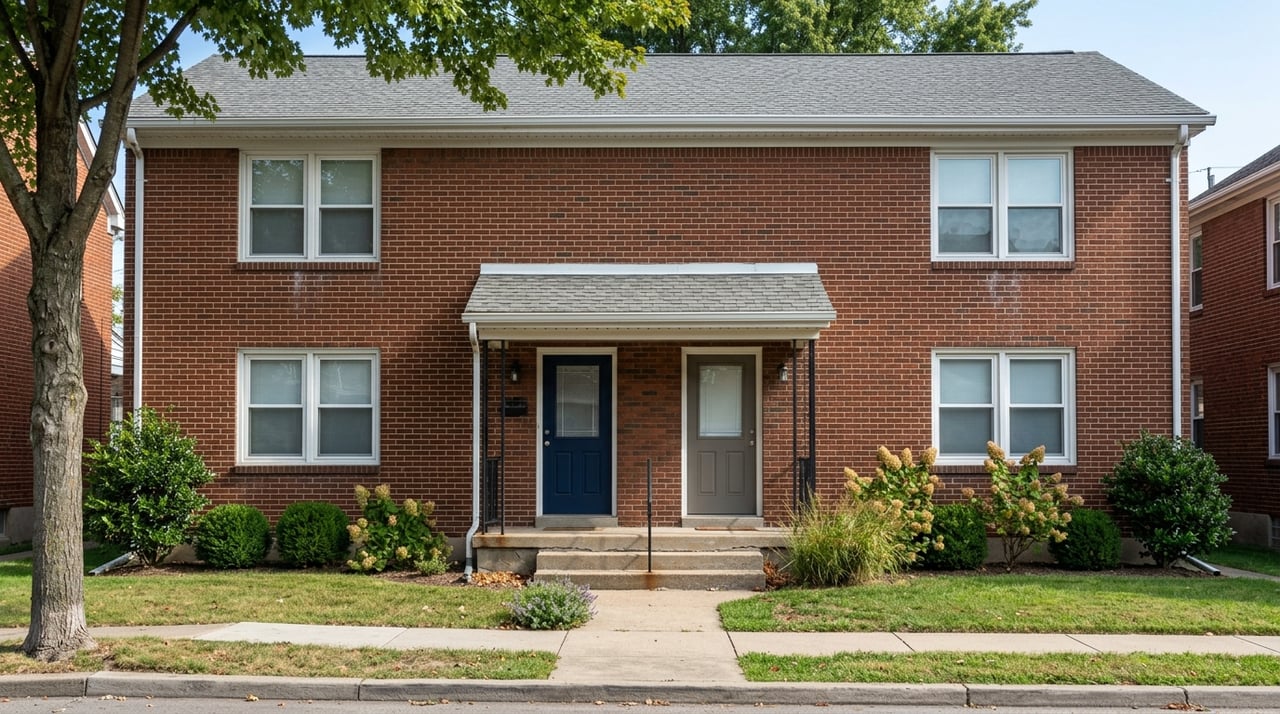
Property type matters just as much. Rowhomes, twins, detached houses, condos, and new construction should be evaluated separately whenever possible because buyers value them differently.
The most useful comps usually line up on these points:
- Same submarket
- Same housing type
- Similar lot size
- Similar parking setup
- Similar age and condition
- Similar level of updates
- Similar access to downtown or major employers
- Similar historic district setting, if applicable
When those factors match, closed sales tend to tell a much clearer story than list prices alone. When they do not, the price gap is often explained by Lancaster’s density, older housing stock, historic character, and amenity patterns.
What Buyers Should Watch Closely
If you are buying in Lancaster, it helps to look past the headline price. A lower price does not always mean better value if the home needs major repairs, lacks parking, or sits in a submarket that does not fit your goals.
Try to evaluate each home based on how you will actually live in it. Access to work, downtown, outdoor space, and maintenance needs may affect your long-term satisfaction just as much as bedroom count.
It also helps to ask clear comparison questions:
- Is this home in Lancaster City or elsewhere in the county?
- Am I comparing it to the right property type?
- Does it have parking or usable outdoor space?
- Are the updates recent and well done?
- Is it located in a local historic district?
When you answer those questions early, you can make a more confident decision and avoid relying on price per square foot alone.
What Sellers Should Focus On
If you are selling in Lancaster, pricing well starts with understanding your exact market segment. Buyers are often comparing your home against very specific alternatives, not every listing across the county.
That means details matter. In the city, parking, porch condition, exterior upkeep, and practical outdoor space may carry extra weight. In surrounding areas, larger lots, garage space, and privacy may matter more.
Presentation also matters because buyers are quick to notice deferred maintenance in older homes. Clean updates, realistic pricing, and strong positioning against the right comps can help your property stand out.
A well-prepared pricing strategy should account for:
- City versus county location
- Housing type
- Historic district status
- Condition and update level
- Lot size and parking
- Access to downtown and major employers
That kind of pricing approach gives you a more accurate starting point and can help reduce the risk of extended market time.
Lancaster home prices are shaped by a mix of local factors, and the differences can be more dramatic than they first appear. If you are buying, selling, or weighing your next move in Lancaster, working with someone who understands how these submarkets behave can make the process much clearer. When you are ready for thoughtful, local guidance, connect with Denise Bollard to schedule a consultation.
FAQs
What drives home prices in Lancaster, PA?
- Home prices in Lancaster are influenced by submarket location, housing type, access to downtown and employers, housing age, condition, parking, lot size, and whether a home is in a local historic district.
Why are Lancaster City home prices different from Lancaster County prices?
- Lancaster City and Lancaster County have different housing stock, density, owner-occupancy rates, and price levels. In March 2026, the median sale price was $255,000 in the city and $349,900 in the county.
Does parking affect home value in Lancaster?
- Yes. In Lancaster City especially, off-street parking, driveways, garages, and usable outdoor space can have a meaningful impact because the city is compact and densely built.
Do historic districts affect Lancaster home prices?
- They can. Homes in local historic districts may benefit from preserved character, but exterior changes may also be subject to review, which can affect how buyers compare one property with another.
What are the best comps for a Lancaster home?
- The best comps are recent closed sales in the same submarket with the same property type, similar lot size, parking, condition, update level, and similar access to downtown or major employment areas.