If you picture country living as total isolation, Berks County may surprise you. Life here often means open views, larger lots, and working farmland, but it does not always mean giving up access to shopping, services, or a manageable commute. If you are wondering what country living in Berks County really looks like day to day, this guide will help you set practical expectations and spot the tradeoffs that matter most. Let’s dive in.
Country Living in Berks County
Country living in Berks County is best understood as a spectrum, not one single lifestyle. The county sits in southeastern Pennsylvania, with Reading as the county seat and Philadelphia about 56 miles to the southeast. Its landscape is shaped by the Blue and South Mountains, which helps create a mix of ridge country, preserved farmland, wooded areas, and town-centered pockets of development.
That rural character is not just a feeling. County planning and agriculture data show that about 38% of Berks County is farmland, 23% is rural conservation land, and 78,000 acres have been preserved across 815 farms. In simple terms, there is a strong agricultural and open-space presence that continues to shape how the county looks and feels.
What Home Settings You Can Expect
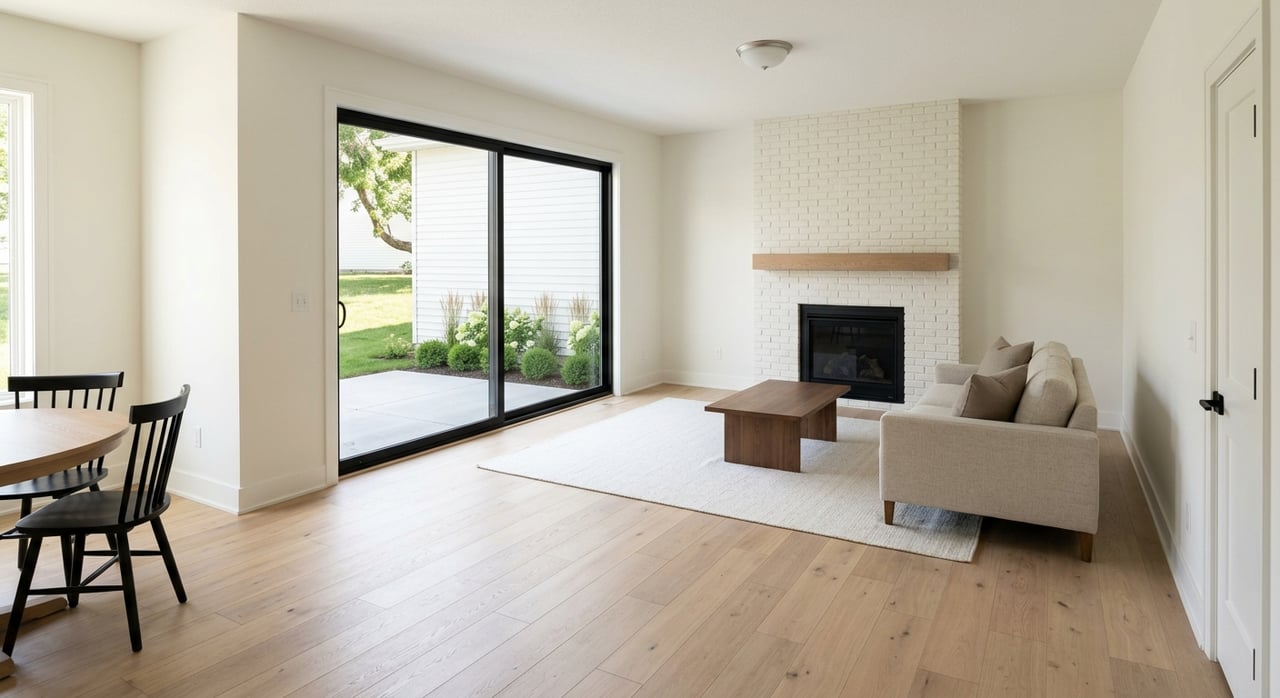
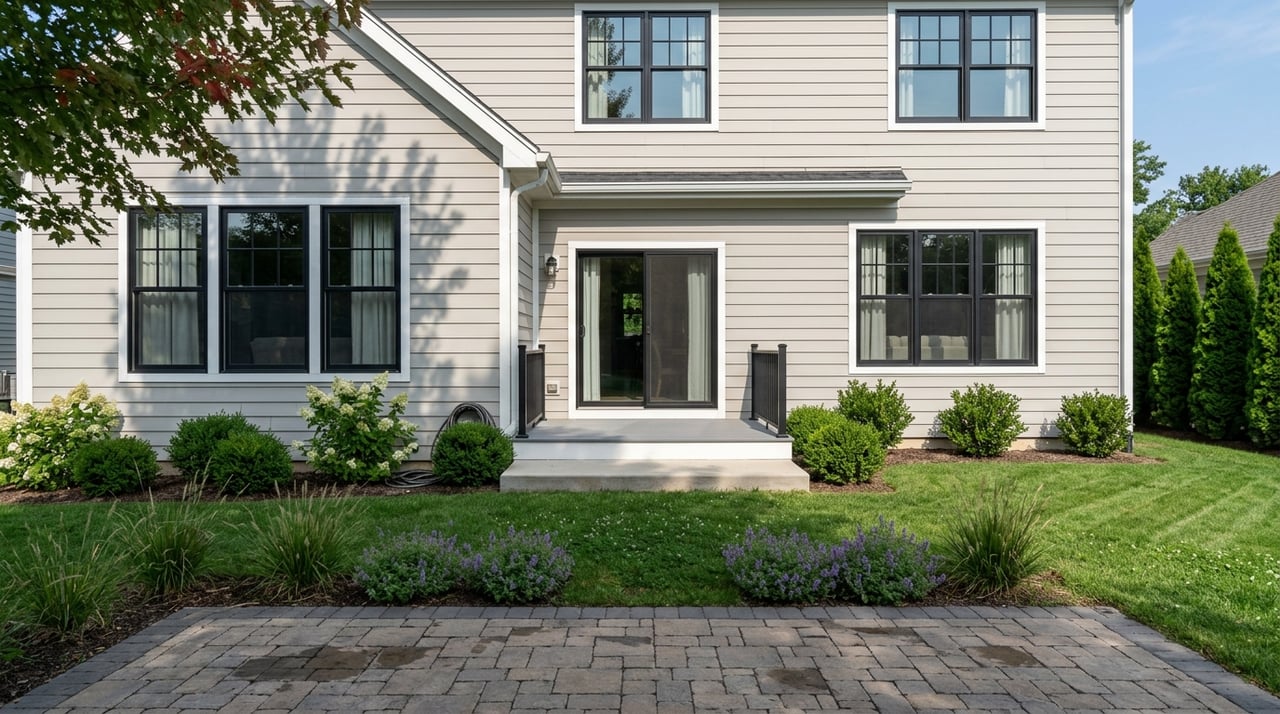
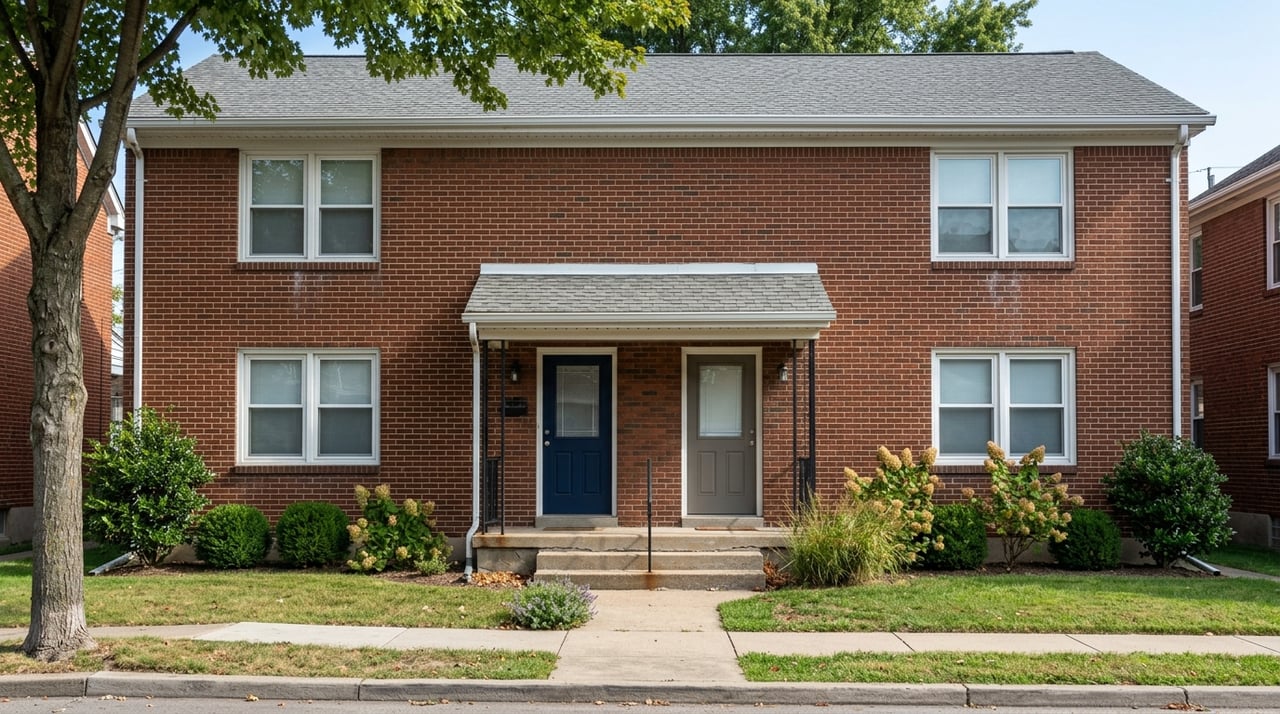
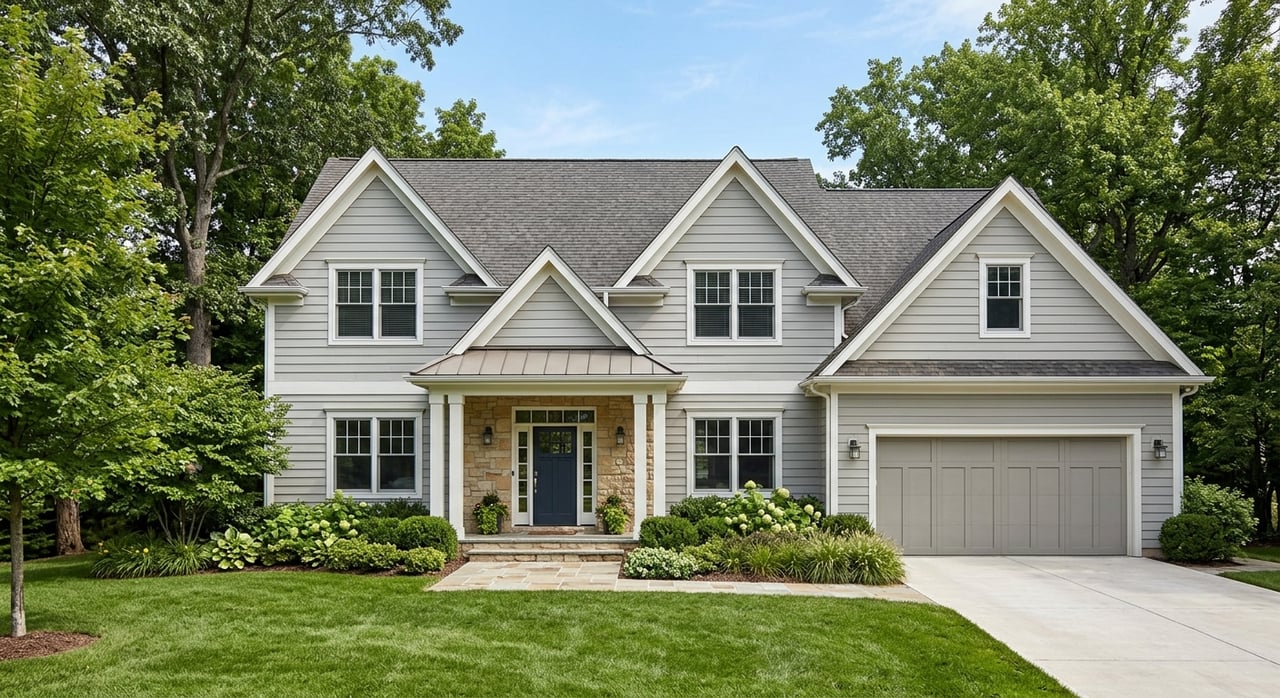
One of the biggest misconceptions about country living is that every property looks the same. In Berks County, residential settings can vary quite a bit depending on the municipality and the local planning framework. You may see anything from larger rural parcels to lower-density neighborhoods with detached homes and more yard space than you would usually find in denser suburban areas.
County planning materials describe rural residential areas as a mix of agriculture, woodland, open space, and low-density housing. In some planning areas, recommended lot sizes are at least one to three acres or more per dwelling unit. Low-density residential areas can also include single-family detached homes on roughly 20,000-square-foot to one-acre lots.
That means country living in Berks County usually comes with more breathing room, but not always a large farmstead. Some buyers want acreage and privacy, while others want a home that feels rural without taking on the maintenance of a very large property. Understanding that difference can save you time when you start your search.
What Daily Life Feels Like
For many buyers, the real question is not just how a property looks. It is how daily life works once you move in. In Berks County, everyday routines tend to be more road-centered than in urban or denser suburban markets.
The county is connected by major federal and state highways and turnpikes, which helps residents move between rural areas, town centers, and nearby employment hubs. The mean travel time to work is 25.4 minutes, which suggests that many residents can balance a quieter home setting with a workable commute. If you are coming from a more congested market, that can feel like a meaningful lifestyle shift.
Public transit does exist, but it plays a more limited role for many households. SCTA provides BARTA fixed-route bus service and shared-ride or paratransit service in Berks County, especially around the Reading area. For most country-oriented properties, though, you should expect a car-based routine for errands, appointments, and commuting.
Access to Shopping and Services
A rural setting does not necessarily mean limited access to essentials. Berks County supports substantial everyday services, with 2022 retail sales totaling $7.48 billion and health care and social assistance receipts totaling $3.86 billion. Those numbers point to a county with meaningful commercial and service infrastructure, even if your own home sits in a more open or low-density area.
This is part of what makes Berks County appealing to buyers who want space without feeling disconnected. You can often enjoy a more relaxed setting while still having access to shopping, health care, and community services within a reasonable drive. That balance is a major part of the county’s appeal.
The Housing Market Context
Berks County is not a highly transient market. It had an estimated 172,559 housing units in July 2025, and 71.3% of homes were owner-occupied. The median owner-occupied home value was $257,300, and the median gross rent was $1,181.
There are also signs of household stability. About 89.7% of residents lived in the same house one year earlier. For buyers, that can signal an established market where many residents put down roots rather than move frequently.
This matters when you think about country living. In a market with strong owner occupancy and residential stability, homes in rural or low-density settings can be part of a long-term lifestyle decision, not just a short-term housing move. Buyers often value the setting, the space, and the pace of life enough to stay put.
Outdoor Living Is Part of the Lifestyle
In Berks County, country living is closely tied to outdoor recreation and seasonal change. The county adopted its Greenway, Park and Recreation Plan in December 2022 as part of the county comprehensive plan, and the Parks & Recreation Department describes its mission as enriching quality of life through an enduring park and trail system.
That shows up in everyday options for getting outside. County parks and recreation programming includes Antietam Lake Park, the Union Canal Bicycle & Walking Trail, and seasonal activities such as snowshoeing and winter wellness walks. If you want a lifestyle that supports regular time outdoors, Berks County offers a strong foundation for that.
The wider recreation picture is also a draw. Outdoor destinations and activities highlighted across the county include hiking at the Appalachian Trail, Blue Marsh Lake, and French Creek State Park, birdwatching at Hawk Mountain Sanctuary, mountain biking on the Greater Reading Trails System, and paddling, fishing, swimming, and boating at Blue Marsh Lake, French Creek, and Tulpehocken Creek.
What the Seasons Really Mean
The seasons are part of the experience in Berks County. The county’s mean annual temperature is 54.3°F, and average annual snowfall is 30.6 inches. For many residents, that seasonal swing is part of the appeal rather than a drawback.
In practical terms, country living here means noticing the calendar. Spring and summer can bring greener landscapes and more time outside. Fall often highlights the county’s scenic farmland and wooded areas. Winter can bring snow and a different pace, along with seasonal recreation opportunities on local trails.
If you are considering a move, it helps to think beyond the house itself. A property may feel very different in July than it does in January. That is not a negative, but it is part of what makes country living a real lifestyle choice rather than just a location preference.
What Buyers Should Think Through
If Berks County country living appeals to you, it helps to define what “country” means for your goals. Some buyers want preserved farmland nearby, a large lot, and a more private setting. Others want a home with extra space and a rural feel, but still want quicker access to shopping, Reading-area services, or major highways.
A few questions can help narrow your focus:
- How much land do you actually want to maintain?
- How important is commute time?
- Do you want a more isolated setting or a low-density neighborhood?
- How often do you expect to drive for shopping, health care, or activities?
- Do you want outdoor recreation close to home?
These are practical questions, and the answers can shape which part of Berks County feels like the best fit. The right move is not always the most rural property. It is the one that supports your daily life comfortably.
Why Berks County Stands Out
What makes Berks County different is the balance. You have real rural character here, supported by preserved farms, conservation land, and varied residential patterns. At the same time, you still have county services, Reading-area transit options, major road connections, and a broad base of retail and health care activity.
That balance is why so many people find the area appealing. Berks can feel quiet without feeling cut off. It can offer space without requiring a fully remote lifestyle. And it can give you a more grounded, outdoors-oriented pace while still keeping the basics within reach.
If you are exploring a move and want help thinking through property type, lot size, and day-to-day fit, working with an experienced local advisor can make the process much clearer. To talk through your options with a trusted Pennsylvania real estate professional, Denise Bollard.
FAQs
What does country living in Berks County usually mean?
- It usually means a mix of open space, farmland, wooded areas, and lower-density housing, with lot sizes that can range from modestly larger yards to one-to-three-acre or larger rural residential settings depending on the municipality.
Are most homes in Berks County on large rural lots?
- No. Berks County includes a range of housing settings, including rural residential areas, low-density neighborhoods, and more town-centered locations, so lot size and setting can vary widely.
Is Berks County country living isolated from shopping and services?
- Not necessarily. Berks County has substantial retail, health care, and social assistance activity, which suggests many residents can enjoy a rural setting while still reaching everyday services by car within a reasonable distance.
Is public transportation available in Berks County?
- Yes. SCTA provides BARTA fixed-route bus service and shared-ride or paratransit service in Berks County, mainly supporting the Reading area, though many country-living households still rely on cars for daily routines.
What is the typical commute in Berks County?
- The mean travel time to work is 25.4 minutes, which suggests many residents are able to balance a quieter residential setting with manageable travel times.
What outdoor activities are part of the Berks County lifestyle?
- Common outdoor activities include hiking, biking, paddling, fishing, boating, birdwatching, snowshoeing, and cross-country skiing, with destinations such as Blue Marsh Lake, French Creek State Park, Antietam Lake Park, and the Union Canal Bicycle & Walking Trail.
Is Berks County a stable housing market for long-term living?
- It appears to be relatively stable. The county has a 71.3% owner-occupied rate, and 89.7% of residents lived in the same house one year earlier, which points to an established market where many households stay in place.