Are you feeling squeezed for space and thinking about a bigger home in Lancaster’s suburbs? You are not alone, and you have options. With the right plan, you can unlock your equity, time your sale and purchase, and land a home that truly fits your next chapter. In this guide, you will see local market context, smart financing paths, neighborhood and commute trade-offs, and a step-by-step timeline you can follow. Let’s dive in.
Your move-up plan at a glance
A solid move-up plan answers four questions:
- How much usable equity do you have and how will you access it.
- Will you buy first or sell first, and how will you bridge timing.
- Which Lancaster suburbs fit your budget, commute, and lifestyle.
- What timeline and checklist will keep you on track from prep to closing.
Lancaster market snapshot 2025-2026
Local numbers help you gauge budget and timing. As of January 2026, Redfin reported a Lancaster city median sale price near $266,000 and a competitive pace with typical days on market in the 20 to 30 day range. For the broader suburban market, Realtor.com’s December 2025 county snapshot showed a median around $374,900, roughly 1,300 active listings, and average days on market in the low 40s. That spread is useful if you are selling a city starter and buying a larger home in a nearby township.
Conditions vary by price band and by suburb. Well-priced homes in popular areas can draw competing offers. Keep recent comps close by for your exact target neighborhood and features.
Buy first or sell first
Choosing your sequence is the linchpin of your plan. Use lender scenarios and target-submarket data to decide.
Sell first: pros and trade-offs
Pros:
- You know your net proceeds and buying power.
- You avoid carrying two mortgages.
Trade-offs:
- You may need short-term housing if the right home is not ready.
- Timing pressure can limit your search window.
Buy first: pros and trade-offs
Pros:
- You lock in the right home without rushing a sale.
- You reduce the stress of back-to-back moves.
Trade-offs:
- You may need a bridge loan or HELOC and reserves to carry two homes.
- Qualifying can be harder because the old mortgage can still count in debt-to-income until it is paid off. This dynamic is a common hurdle.
Lender rules that matter
Lenders typically count your existing mortgage payment in debt-to-income unless it is paid off at or before closing. Renting out your current home or using a bridge product can change reserve and DTI requirements. Meet with a lender early and ask for written preapproval scenarios for both sell-first and buy-first paths.
Smart ways to use your equity
You can fund a larger purchase with equity from your current home. Each option has pros, costs, and underwriting rules.
HELOC
A home equity line of credit is a revolving line secured by your current home. It is flexible and can cover a down payment, but it usually has a variable rate. Before you rely on a HELOC, model payments and stress test for rate increases. See how a HELOC can fund a second home purchase.
Cash-out refinance
A cash-out refinance replaces your current mortgage with a larger loan, converting part of your equity to cash. Expect higher closing costs than a HELOC and a new payment that reflects today’s rate environment. Compare total costs and break-even timelines to decide if this is your best path.
Bridge loans and buy-before-you-sell
A bridge loan is short-term financing secured by your current home that lets you write a non-contingent offer. You gain speed and flexibility, but rates and fees are higher and you may carry two mortgages until you sell. Review the pros and cons of bridge loans, and confirm equity and underwriting requirements in writing.
Some platforms offer buy-before-you-sell programs that advance a portion of your equity so you can buy first. Fees and rules vary. Learn the mechanics and trade-offs and request sample net sheets before you commit.
Seasonality and timing
Lancaster follows a familiar rhythm. Spring brings more new listings and more multiple-offer situations. Late summer, fall, and winter often see less competition and sometimes better negotiating room. The trade-off is simple: more choices in spring, potentially easier deals later in the year. For an overview of seasonal advantages, review this guide to the best times to buy. If you are aligning with a school calendar or a job start, plan for faster decisions in spring.
Where to look in Lancaster’s suburbs
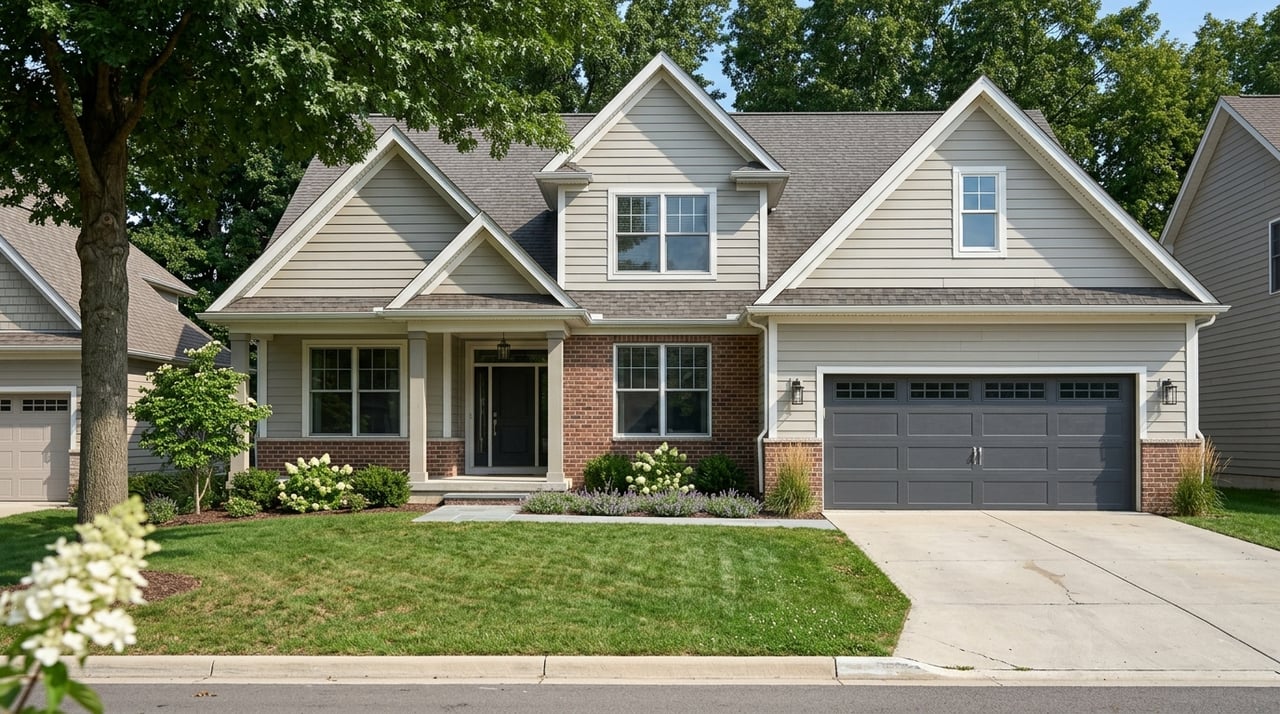
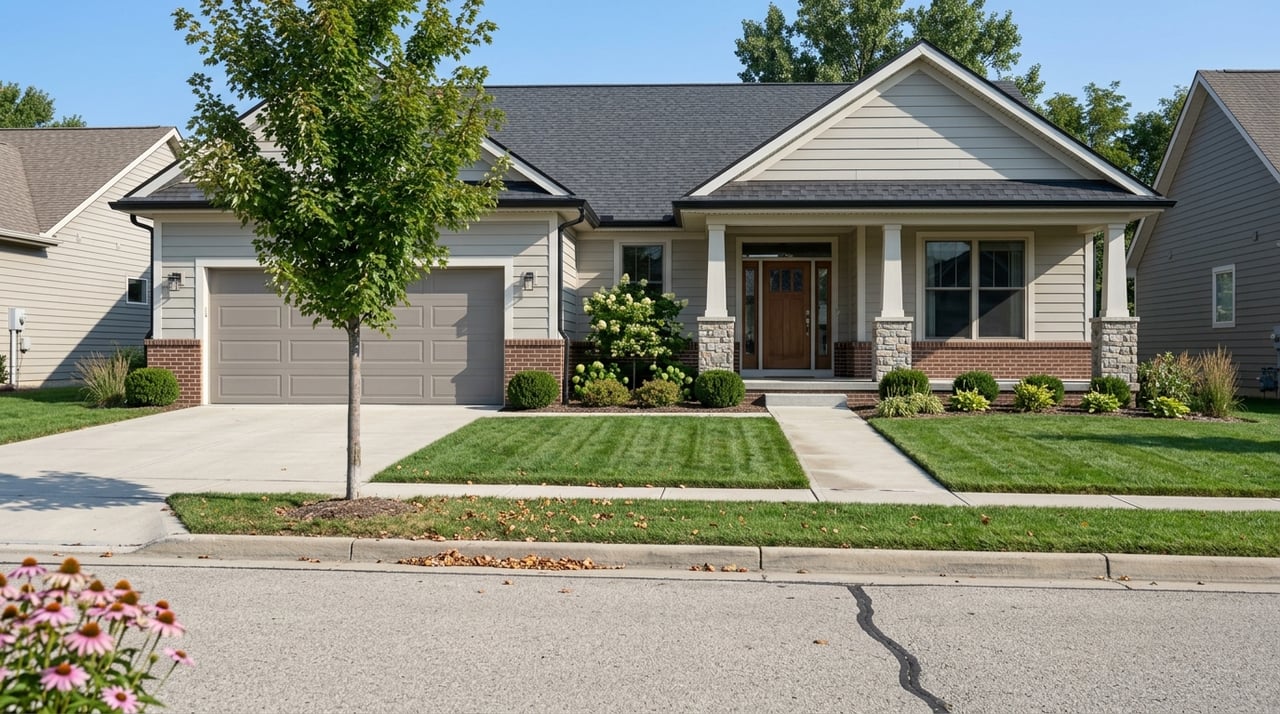
Popular move-up targets include Manheim Township, East Lampeter, West Lampeter, Lancaster Township, Neffsville, Lititz, and the Mount Joy and Elizabethtown corridors, plus Columbia. You will see a range of housing stock, from older colonials and farmhouses to mid-century ranches and newer subdivisions. Lot and yard size, garage setup, and basement finish vary by neighborhood and build era, which influences price.
Growth patterns also shape inventory. Local planning discussions point to continued development in designated growth areas, with many new homes still delivered as single-family lots. That mix affects what is available and what you may pay. For context on growth trends, see this summary of Lancaster County’s Places2040 themes.
Commute and daily rhythm
Lancaster County’s mean travel time to work is about 24.0 minutes, based on 2019 to 2023 estimates. You will likely drive most days, so factor in access to US-30, US-222 and PA-272, and PA-283 when picking a suburb. The Amtrak Keystone and Pennsylvanian service at Lancaster station provide regional connections to Harrisburg and Philadelphia that some buyers value. You can reference county commute baselines in Census QuickFacts.
Taxes and your monthly budget
Property taxes and school-district millage vary across Lancaster County and can move your monthly payment more than you think. Before you fall in love with a house, check the school district millage and county assessment for that property and verify any homestead or exemption programs that apply. For a plain-English overview, read this Lancaster property tax explainer.
Quick math example: a 0.5 percent difference in effective tax rate on a $450,000 home equals about $2,250 per year, or roughly $187 per month. Build taxes, homeowner’s insurance, and any HOA fee into your budget from the start.
Also keep federal tax rules in mind for your sale. Many sellers can exclude up to $250,000 of gain, or $500,000 if married filing jointly, if the 2-of-5-years ownership and use test is met. See the IRS summary in Topic 701, and consult a tax professional for your specific situation.
Step-by-step timeline
Use this action plan to align your sale and purchase.
9 to 12 months out
- Meet a local lender for preapproval and “what if” cases. Ask for three side-by-side scenarios: sell first, buy first with a bridge loan, buy first with a HELOC. Have them model DTI if your current mortgage remains in place until sold. The buy-while-selling overview explains why DTI is the pivot.
- Request a data-driven CMA on your current home and estimate net proceeds. Include common seller costs so the net is realistic.
- If you plan light updates before listing, get quotes and schedule work to hit your desired season.
3 to 6 months out
- Decide your sequence using lender scenarios and target-submarket inventory.
- If selling first: prep, stage, consider a pre-inspection, and price to the latest comps.
- If buying first: confirm HELOC or bridge terms, required reserves, and your timeline to list the current home. Review bridge loan pros and cons so you know the true carrying cost.
30 to 60 days before listing or offering
- If selling first: list with clear timelines. Use current days-on-market norms as your guide. County data recently showed an average in the low 40s, while hot segments can move in a few weeks.
- If buying first: finalize your HELOC or bridge closing so funds are ready for earnest money and a stronger, non-contingent offer.
At contract and closing
- Coordinate closing dates carefully. Same-day closings are uncommon. Plan on 30 to 45 days from contract to close, build in a backup for temporary housing or a short rent-back if needed.
- Confirm prorations, moving logistics, and tax reporting. If you expect to use the primary-residence gain exclusion, review IRS Topic 701 with your tax advisor.
After you move
- If you used short-term financing, prioritize paying down the HELOC or bridge loan with your sale proceeds.
- Revisit your long-term loan strategy if rate conditions shift. If lower-rate options emerge, consider refinancing into a permanent loan once you are settled.
Quick checklist
- Lender comparison with preapproval for both single and dual-mortgage cases.
- Current CMA and 90-day comp tracking for your target neighborhood and price tier.
- Reserves for carrying costs. Aim for 3 to 6 months plus estimated moving and closing costs.
- Tax checklist. Know Section 121 basics and consult a CPA.
- Contingency language options. Understand sale contingency, settlement contingency, and kick-out clauses so you can tailor your offer strength to the market.
Ready to plan your move-up?
A clear plan turns uncertainty into confidence. If you want local guidance on timing, financing, neighborhoods, and negotiation strategy, connect with Denise Bollard to schedule a consultation. You will get a custom roadmap that fits your budget, timeline, and next-home goals.
FAQs
How much equity do I need for a move-up in Lancaster County?
- There is no single rule, but many bridge products and lender paths work best when you have meaningful equity, often 20 percent or more. Review options like bridge loans and HELOCs, then confirm qualification with a lender. See a bridge loan overview.
Will my current mortgage stop me from buying first?
- It can. Lenders usually count your existing payment in debt-to-income until that loan is paid off. That is why HELOCs, bridge loans, and buy-before-you-sell programs exist, each with costs and rules. Get written preapproval scenarios. Learn more about buying while selling.
When is the best season to list my current home?
- Spring often brings the most buyers and more competing offers. Late summer, fall, and winter can bring less competition and more negotiating room. Choose based on your target move-up inventory and your personal timeline. See this seasonality guide.
How should I factor property taxes across Lancaster suburbs?
- Tax rates and school-district millage vary by municipality and will change your monthly payment. Check the specific district millage and county assessment for each property and review this Lancaster tax explainer.
What closing timeline should I expect for a sell-and-buy move-up?
- Many transactions close in 30 to 45 days from contract. Back-to-back closings are possible with careful planning, but build in a buffer for a short rent-back or temporary housing if dates do not align.