If you own a cottage or vacation home in Mount Gretna, you already know it is not just another property on the market. Buyers are drawn to the porches, trees, history, and seasonal rhythm that make this community feel different from almost anywhere else in Lebanon County. If you are thinking about selling, the right timing, pricing, and preparation can help you attract serious buyers and avoid preventable delays. Let’s dive in.
Why Mount Gretna sells differently
Mount Gretna is a small, highly distinct market with roots in the late 1800s resort era and the 1892 Chautauqua movement. The community includes a limited number of cottages, many of which stay in families for years. That low-supply environment can work in your favor, but it also means your sale needs a more tailored strategy than a typical suburban listing.
Seasonality matters here, too. The year-round population is about 1,000, and that number more than doubles during the summer months. In other words, buyer interest is often shaped by the community’s event calendar, summer activity, and the lifestyle people picture when they think about owning in Mount Gretna.
Price your cottage with local comps
One of the biggest mistakes sellers can make is relying too heavily on broad county averages or online estimates alone. Public data for Mount Gretna are limited, and recent sold prices show a wide range. Zillow sold data include properties from $163,000 for a lot to $172,500 for a 2-bedroom cottage, along with higher sales at $495,000 and $675,000 for larger homes.
That spread tells you something important. In Mount Gretna, value is often shaped by details that buyers care about immediately, not just square footage. A smart pricing strategy should look closely at features like:
- Porch size and condition
- Parking setup
- Number of bathrooms
- Sleeping capacity
- Overall condition and updates
- Whether the home works comfortably in multiple seasons
- Whether the property is in the Campmeeting or another part of Mount Gretna
Redfin reports that Mount Gretna homes sell in about 8 days on average, with some hot homes going pending in about 4 days and selling roughly 2% above list price. That kind of pace rewards accurate pricing from the start. If you overprice a niche property, you can miss the strongest early attention.
Choose timing that matches the market
For many sellers, spring is the strongest time to launch. Realtor.com’s 2026 Best Time to Sell report points to the week of April 12 through 18 as the strongest national window, based on stronger views, pricing, and speed. In Mount Gretna, that spring timing also fits the local pattern well.
A spring or early summer listing can help you capture buyers before peak visitor traffic changes the showing experience. It can also give you time to photograph the property when the setting looks fresh and inviting, without waiting until the busiest stretch of the season.
Timing matters because your buyer may not be coming only from nearby towns. Mount Gretna’s location makes it a practical drive from Hershey, Harrisburg, and Lancaster, and about 90 minutes from Philadelphia. Redfin search data also show interest from Washington, Philadelphia, and New York, which suggests your listing may appeal to both local and out-of-area buyers looking for a weekend or second-home property.
Market the lifestyle and the logistics
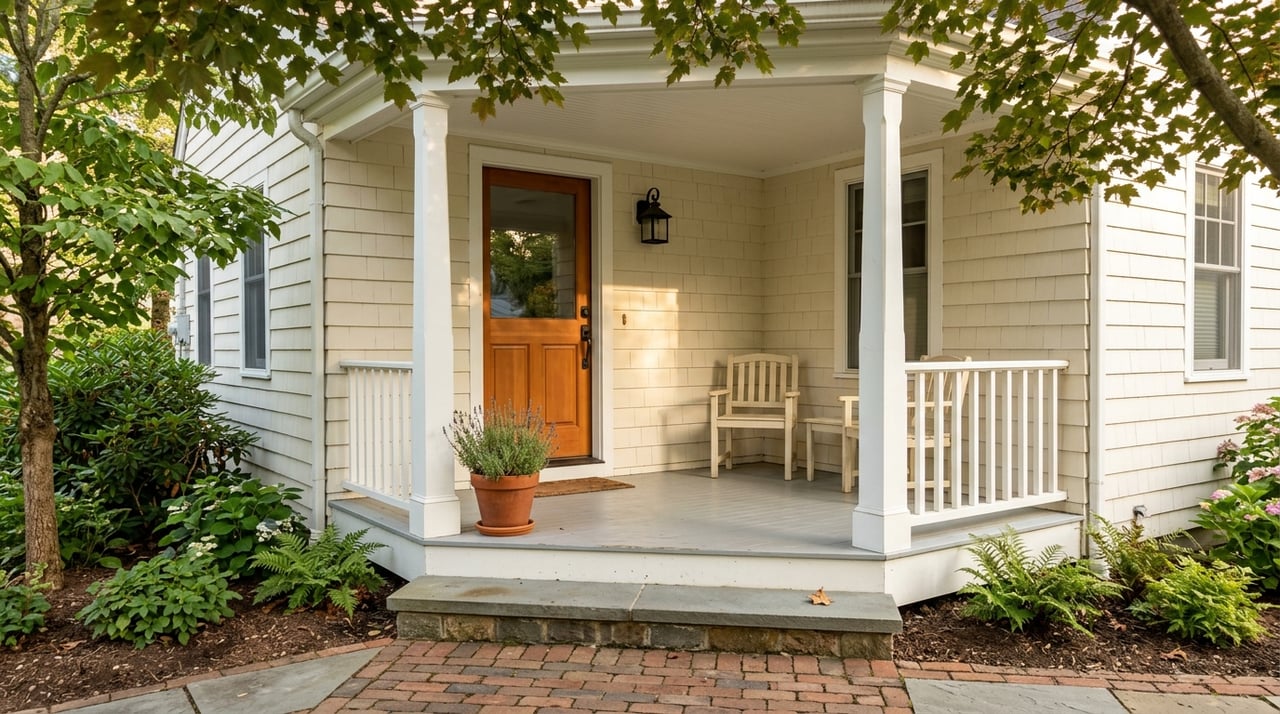
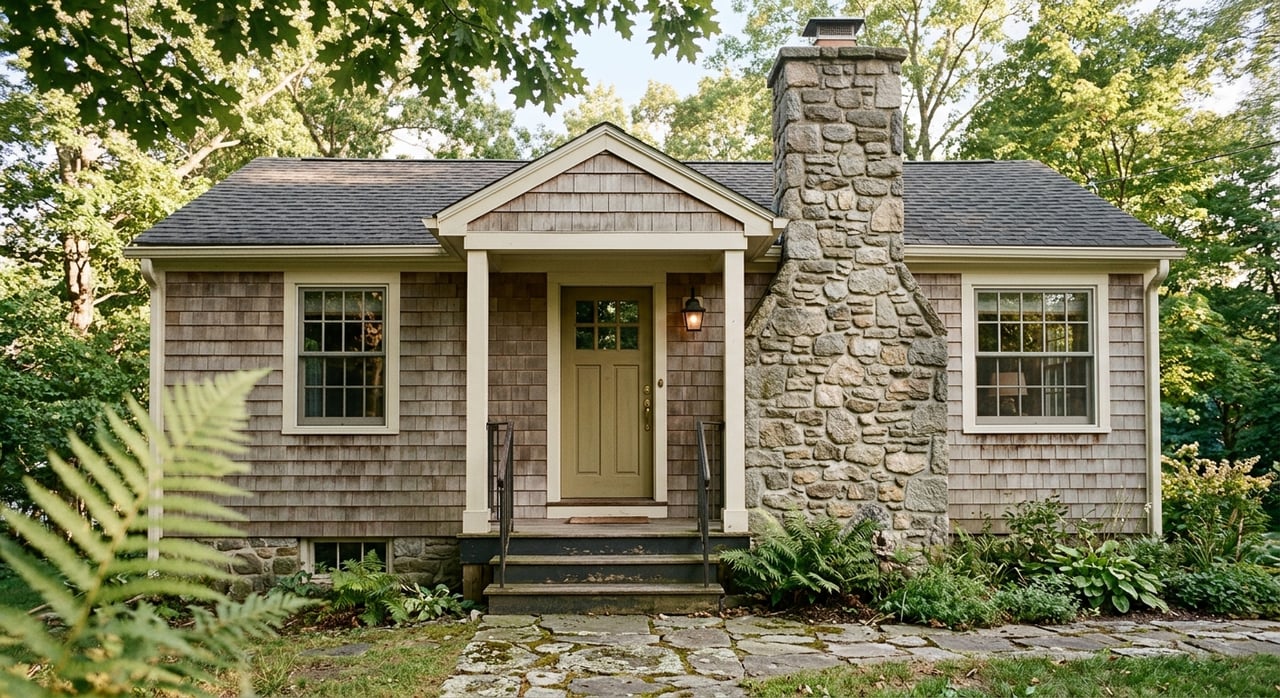
Mount Gretna buyers are often purchasing more than a house. They are responding to a setting, a pace, and a way of using the home. That means your marketing should absolutely highlight the porch-centered lifestyle, wooded surroundings, and historic character.
At the same time, buyers also need practical clarity. AP reporting notes that some cottages are very old, privacy can be limited, and parking may be a challenge. Strong listing preparation should make those real-world details easy to understand before a showing.
Your photos and marketing should clearly show:
- Porch and outdoor living areas
- Parking arrangements
- Entry access
- Bedroom and sleeping layout
- Bath count
- Storage space
- Seasonal usability
- Any notable updates that improve comfort or function
This helps set the right expectations. It also builds trust, which is especially important when buyers may be coming from outside the immediate area.
Understand Campmeeting rules before listing
Not every property in Mount Gretna is governed the same way. This is a key point for sellers. If your property is within the Campmeeting grounds, the Mount Gretna Campmeeting Association rules apply. If it is not, those same rules may not apply in the same way.
It is also important not to confuse historic designation with local control. The Pennsylvania Chautauqua Historic District was listed in the National Register in 2015, which adds to the area’s historic appeal. But National Register listing by itself does not automatically create local historic-district zoning or local landmark controls.
If your cottage is in the Campmeeting, prep work should begin early. MGCA’s quiet season runs from July 15 through August 31. During that period, high-decibel tools and larger work such as framing and roofing are prohibited, while painting and landscaping are permitted. If you want to improve curb appeal before selling, it is wise to plan exterior work before summer.
MGCA also requires a tree-removal permit before removing any tree. If the tree is alive, an arborist or forester evaluation is needed. That means even simple outdoor changes should be reviewed early, not at the last minute.
Prepare documents before buyers ask
In a specialized market, paperwork can affect momentum just as much as pricing. If your property is in the Campmeeting, owners automatically become MGCA members and are subject to the association’s rules and services. As of March 15, 2025, MGCA requires a Certificate of Resale for all cottage sales or transfers.
If your cottage has been used as a rental, that history should also be reviewed before listing. MGCA requires a valid home rental permit for rental activity in the Campmeeting grounds. Verifying permit status and gathering records early can help prevent confusion during negotiations.
A well-prepared seller should aim to organize:
- Association documents, if applicable
- Certificate of Resale, if required
- Rental permit records, if applicable
- Utility and maintenance information
- Improvement history
- Any relevant seasonal-use details buyers may ask about
When you have this information ready, your listing feels more credible and easier to evaluate.
Focus on buyer fit, not generic appeal
The buyer for a Mount Gretna cottage is often different from the buyer for a standard year-round suburban home. Some buyers are local. Others are looking from nearby metro areas for a second home, weekend retreat, or seasonal getaway.
That is why your listing should not read like a generic cottage ad. The strongest messaging usually focuses on what makes the property useful and appealing in this specific market: the setting, the porch life, the location within Mount Gretna, the travel convenience from surrounding cities, and the fact that the home has been thoughtfully prepared for sale.
In a niche market like this, smart positioning helps the right buyer picture how they will actually use the property. That can create faster, stronger interest than broad, vague marketing language.
Why local expertise matters here
Mount Gretna is a micro-market. Limited public data, varied property types, seasonal factors, and association rules all make the selling process more layered than it may look from the outside. A seller benefits from guidance that is both local and detail-oriented.
That includes choosing the right comps, deciding when to launch, knowing how to present the home honestly and attractively, and preparing association or rental paperwork before it becomes an issue. It also means marketing the property to buyers both inside and outside Lebanon County.
If you are planning to sell a Mount Gretna cottage or vacation home, the goal is not just to list it. The goal is to position it correctly from day one. When you are ready to talk through pricing, timing, and the best plan for your property, connect with Denise Bollard.
FAQs
What makes selling a Mount Gretna cottage different from selling another home in Lebanon County?
- Mount Gretna is a small, seasonal, lifestyle-driven market with limited inventory, varied property types, and in some cases association rules that can affect prep, pricing, and closing.
When is the best time to list a Mount Gretna vacation home?
- Spring or early summer is often a strong window because it aligns with broader seller demand and lets you reach buyers before peak summer activity changes traffic and showing conditions.
How should you price a cottage in Mount Gretna?
- You should rely on recent local sold comps and property-specific features such as porch quality, parking, bath count, condition, and seasonal usability rather than broad county averages alone.
Are all Mount Gretna properties subject to Campmeeting rules?
- No. Campmeeting rules apply to properties within the Campmeeting grounds, and sellers should not assume every Mount Gretna property is governed the same way.
Does National Register historic status control how a Mount Gretna home can be sold or changed?
- No. National Register listing supports historic significance, but by itself it does not automatically create local zoning or landmark controls.
What documents should you gather before selling a Campmeeting cottage in Mount Gretna?
- You should gather association documents, the required Certificate of Resale, rental permit records if the home has been rented, and basic maintenance and improvement information before listing.